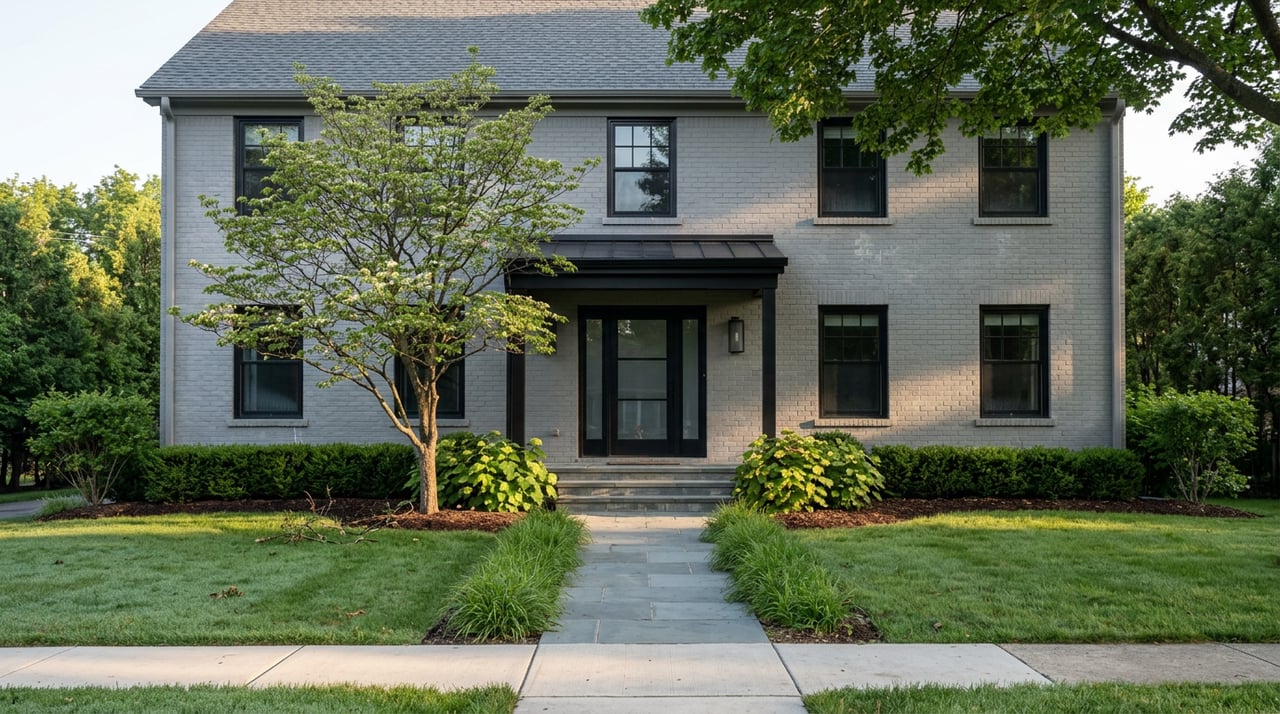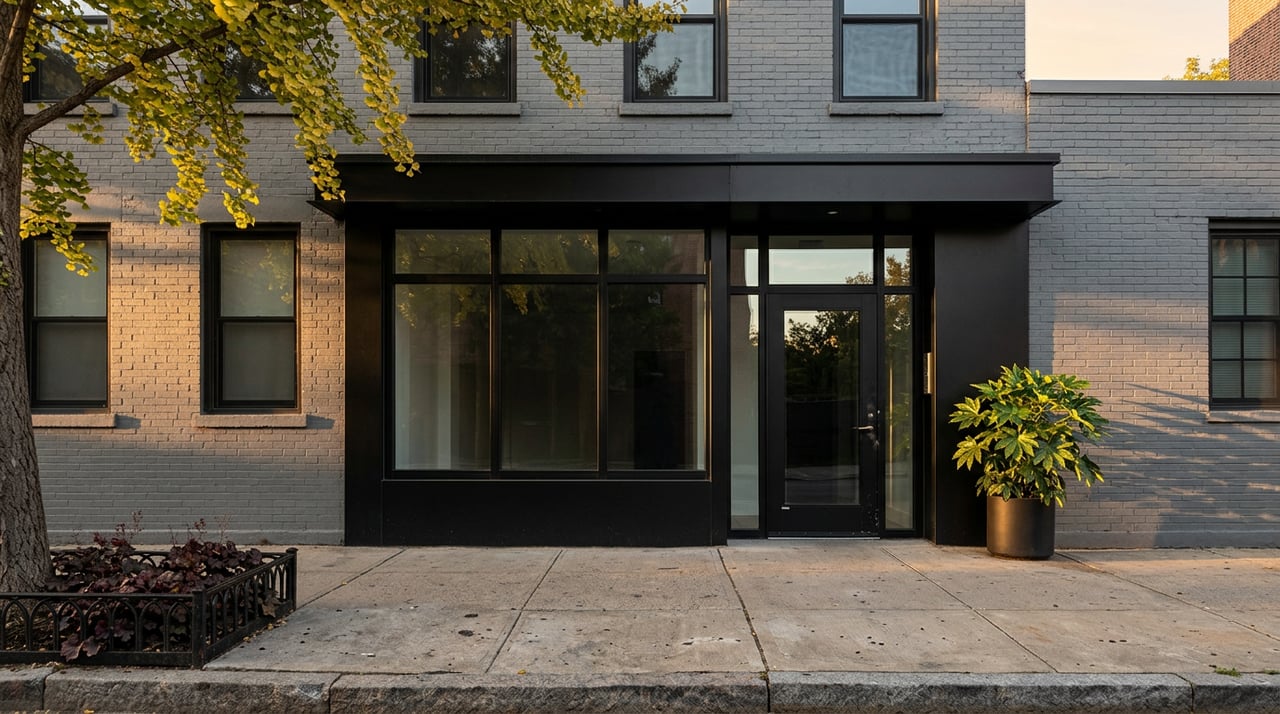
Walk down First Avenue past 25th Street this month and you will hit fencing where Hunter College's Brookdale campus used to sit open to the sidewalk. Keep going to the river and the old NYU parking lot at 34th Street is fenced too, waiting on equipment that was supposed to arrive by spring. Neither of these sites has a developer's name on the plywood. That is the detail worth sitting with, because in most of Manhattan right now, fencing means condos. In Kips Bay this year, it means something else entirely.
The neighborhood that has spent decades being described as the one nobody notices is in the middle of a genuinely unusual stretch: a $1.6 billion life sciences campus breaking ground a few blocks from a temporary park replacing a parking lot, both funded by the city and state rather than a private sponsor. Meanwhile the event most associated with the Kips Bay name, the one that puts "Kips Bay" in headlines every fall, isn't happening in Kips Bay this year at all. If you live here, the story of what's actually changing is more interesting than the version you'd get from a real estate listing.
What's Actually Behind the Fences
The project generating the most square footage is SPARC Kips Bay, short for Science Park and Research Campus, which will replace Hunter College's Brookdale campus at First Avenue and East 25th Street with more than 2 million square feet of academic, public health, and life sciences space. Governor Hochul and Mayor Adams set the construction timeline in December 2025: deconstruction of the existing campus was expected to begin in February 2026, with new construction starting the following year. That puts the site roughly six months into demolition by the time you're reading this.
The scale is worth stating plainly. The city and state have committed $1.6 billion, with an additional $2 billion in private investment expected to follow, according to NYCEDC's project page. When finished, the campus will house Hunter's nursing and health professions schools, a CUNY graduate public health program, a new health sciences high school, a Bellevue-affiliated ambulatory care center, and the city medical examiner's forensic pathology lab, which is relocating from its current home on East 30th Street. Kips Bay already had roughly $2 billion in life sciences investment over the prior 15 years before this project was announced. SPARC is the largest single addition to that pattern, not the start of it.
A separate but connected piece is a rebuilt pedestrian bridge at East 25th Street, which will reconnect the campus, and the neighborhood behind it, to the greenway and the river. The current bridge situation is part of why this matters to anyone who walks to the water: for years, getting from the west side of First Avenue to the esplanade near 25th Street has meant working around whatever access the campus allowed. The new bridge is supposed to fix that permanently.
Here's how the pieces line up on a timeline:
| Project | What it replaces | Status as of August 2026 |
|---|---|---|
| SPARC Kips Bay campus | Hunter College's Brookdale campus | Deconstruction underway since February 2026 |
| East 34th Street open space | NYU-leased parking lot | Spring 2026 completion target, no opening announced |
| East 25th Street pedestrian bridge | Existing bridge to the greenway | Part of SPARC's first construction phase |
The Park That Used to Be a Parking Lot
The smaller of the two projects is easier to picture. For decades, a stretch of city-owned land at East 34th Street along the FDR Drive functioned as stacked parking for NYU Langone, generating rent for the city but nothing for the neighborhood around it. In October 2025, NYCEDC and NYC Parks announced they would convert it into a public open space with ADA-accessible fitness equipment, new seating, and a waterfront-oriented layout. The official announcement put the completion target at spring 2026.
Spring has come and gone. Whether the site is actually finished depends on which day you walk by, since neither agency has issued a ribbon-cutting announcement as of this writing. NYCEDC President Andrew Kimball was candid about this kind of timeline slippage when the project was first announced, telling reporters:
"Candidly, this waterfront work never stops, but we are very confident that the park we build out here in partnership with the Parks Department, the open space we build out here, the access to amenities, access to the water recreation exercise equipment, will be here for a very, very long time."
NYC Parks Commissioner Iris Rodriguez-Rosa framed it as a long-overdue return of public land, saying the goal was to "transform this underused site into a vibrant waterfront destination where residents and visitors can relax, exercise, and connect with nature." Manhattan Community Board 6, which had pushed for this conversion for years, called it a vision finally becoming reality after surviving changes in city administration and a pandemic along the way.
The Charity That Isn't From Here
If you've ever assumed the Kips Bay Decorator Show House is a neighborhood institution because it carries the neighborhood's name, you're only half right. The event, now in its second half-century, is the flagship fundraiser for the Kips Bay Boys & Girls Club, a youth organization that has run programs since 1915. But that club serves more than 14,000 young people across nine locations in the Bronx, not in Manhattan's Kips Bay. The name comes from the organization's history, not its current footprint.
This year the disconnect is sharper than usual. The 2026 New York Kips Bay Decorator Show House isn't in Kips Bay at all. It's set inside an 1839 Georgian townhouse at 80 West Washington Place in Greenwich Village, a residence with its own history that once belonged to composer John Philip Sousa and, more recently, Kylie Jenner and Travis Scott. According to Kitchen & Bath Business, the show house opens to the public September 16 for a four-week run, with designer Bunny Williams returning as honorary chair and Galerie Magazine on board as media partner. The townhouse itself is currently listed for $21 million.
So the one thing outsiders might associate with the Kips Bay name is happening a mile and a half away this fall, while the actual neighborhood spends the year absorbing a life sciences campus and a fitness park that will never make a real estate listing's highlight reel.
What Hasn't Moved
None of this construction has touched the parts of daily life that make Kips Bay function, which is worth saying because it's easy to read "$1.6 billion campus" and assume the whole neighborhood is in upheaval. The food corridor along Second and Third Avenues keeps adding to itself on its own schedule. Taftoon, a Persian street food spot serving the traditional flatbread it's named for, opened at 388 Third Avenue in late July, according to a report from DiningOut. Riverpark's seasonal Terrace Bar, which overlooks the East River and Queens skyline, is back open for its usual spring-through-fall run, a ritual that has nothing to do with the construction two blocks north.
The longer-standing anchors haven't gone anywhere either:
- 2nd Avenue Deli, still serving the pastrami sandwich regulars expect
- Kailash Parbat, covering food from nearly every region of India
- Pongal, known for its pages-long South Indian menu
- Hummus Kitchen, a casual Middle Eastern spot a few blocks from the water
A few blocks south, Bellevue South Park on Mount Carmel Place between 26th and 28th Streets went through its own $5.05 million renovation in 2023, adding a dog run that neighbors had been requesting since at least 2017, according to city parks records. That project is finished and unremarkable now in the way finished infrastructure usually becomes, which is its own kind of proof that construction here eventually turns into ordinary daily life rather than permanent disruption.
The Actual Shape of the Change
Put together, the pattern is clearer than any single headline about it. Kips Bay's current transformation is public money building public infrastructure: a research campus, a park on former parking, a bridge to the water. It is not private capital building condo towers, which is the story driving change in most of the neighborhoods around it. The event that carries the neighborhood's name has left for the season, and the neighborhood itself is quietly becoming a bigger version of what it already was.
If you've been watching the fencing go up and wondering what it means for your own plans here, that's a conversation worth having with someone who tracks this block by block. The Steven Kramer Team works Manhattan and Nassau County every day and can walk you through what SPARC, the new open space, and the rest of it actually mean for property here. Request a confidential consultation whenever you're ready to talk specifics.