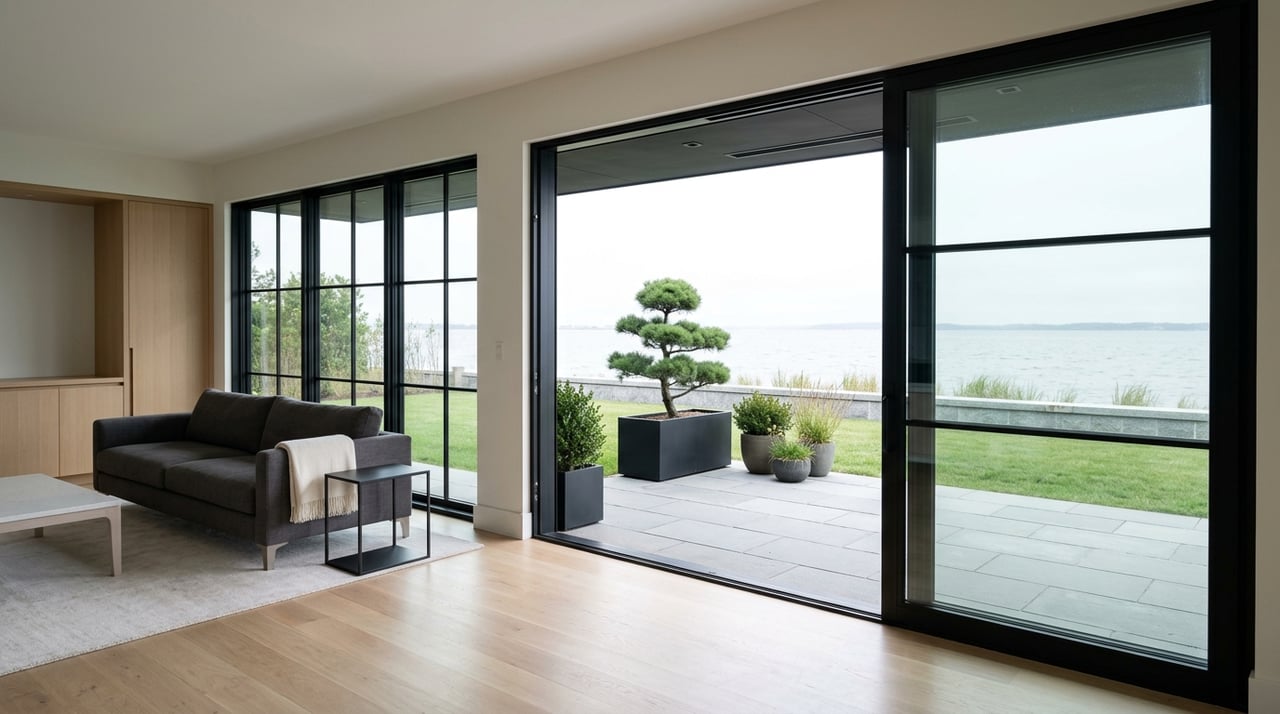
If you have ever pictured mornings by the bay and evenings that feel a little quieter than the city, Port Washington probably makes sense to you already. Living on the water here is not just about a view. It is about how the shoreline shapes your routine, your commute, and the kind of home life you can build. This guide breaks down what waterfront living in Port Washington actually looks like, what trade-offs to expect, and how to think about the market with clarity. Let’s dive in.
What Waterfront Living Means Here
Port Washington has a strong connection to the water, and that identity shows up in both daily life and local planning. The Town of North Hempstead describes the Main Street corridor as a walkable, vibrant waterfront district with diverse housing options, transit access, an active waterfront, and arts spaces tied to maritime heritage.
That matters if you want more than a house near the shore. In Port Washington, the lower Main Street area connects toward Town Dock, Bay Walk, and waterfront greenspace, so the water feels integrated into the community rather than set apart from it.
The Port Washington Waterfront Lifestyle
Waterfront living often sounds like a luxury pitch, but in Port Washington it is also a practical lifestyle choice. You are not just buying proximity to the bay. You are choosing a setting where boating, walking, and shoreline recreation can become part of your normal week.
North Hempstead Beach Park is one of the clearest examples. It offers 34 acres along Hempstead Harbor with a sandy beach, waterfront promenade, fishing pier, boat ramp, bathhouse, concession area, picnic areas, courts, playground, kayaking, and rowing.
If your idea of waterfront living includes easy outdoor access, that kind of amenity changes how a neighborhood feels. You may not need a private dock to enjoy the benefits of the shoreline on a regular basis.
Bay Walk and Shoreline Access
Bay Walk Park in Port Washington North adds another layer to the local waterfront experience. The village describes it as a 1.7-acre waterfront project along Manhasset Bay and Sheets Creek designed to support walking, jogging, bicycling, nature observation, fishing, boating, kayaking, and a kayak launch.
For many buyers, that is an important distinction. Some waterfront areas look beautiful but feel limited once you leave your property. Port Washington offers public shoreline spaces that can make the water feel more usable day to day.
A Real Boating Culture
Port Washington also has a visible boating culture. Private clubs and marinas reinforce that identity, including Port Washington Yacht Club on Manhasset Bay and North Shore Yacht Club, which says it has been on the north shore of Manhasset Bay in Port Washington since 1959.
If you own a boat, plan to own one, or simply enjoy being in a waterfront environment with active marinas and marine services, that local infrastructure matters. It gives the area a working waterfront feel rather than a purely scenic one.
Boating and Marina Options
One of the advantages of living on or near the water in Port Washington is that access is not limited to a small niche. The area includes several marina and storage options that support different boating needs.
Safe Harbor Capri offers wet slips, transient slips, dry storage, winter storage, vessel service, and a fuel dock. Its site says slips can handle boats up to 150 feet, and the property includes waterfront restaurants and a pool overlooking Manhasset Bay.
Port Washington Marina reports more than 60 slips for boats from 20 to 150-plus feet, along with mooring, winter storage, repairs, yacht restoration, and boat-lift services. If boating is central to your lifestyle, Port Washington has the kind of marine support system that can make ownership more workable.
Everyday Life Beyond the Water
A waterfront home only works if the rest of your life works too. In Port Washington, that usually means balancing shoreline appeal with commute options, errands, and access to regional roads.
The Port Washington Branch currently serves Port Washington with westbound service to Penn Station and Grand Central, with eastbound service back to Port Washington. The station is accessible and includes ramps, tactile warning strips, audiovisual passenger information systems, and ticket machines.
That is a meaningful advantage for buyers who want waterfront living without giving up a Manhattan connection. It is also worth noting that the Port Washington Branch does not run to Jamaica or other City Terminal Zone stations, so most commuters think in terms of direct Manhattan-terminal service.
Driving Access Matters Too
If your schedule is split between train travel, local appointments, and time on the North Shore, road access still matters. West Shore Road connects the peninsula to Northern Boulevard, the Long Island Expressway, and the Northern State Parkway.
For some buyers, that mix is the sweet spot. You can enjoy a coastal setting while keeping practical connections to the rest of Nassau County and beyond.
What the Housing Market Suggests
Port Washington is not a bargain waterfront market, and the numbers make that clear. The Port Washington CDP has 6,486 housing units, a 76.9% owner-occupied rate, a median owner-occupied value of $1,003,200, and a median gross rent of $2,184.
Those figures point to a predominantly owner-occupied market with relatively high home values. Census data also reports a median household income of $170,127 and a mean commute time of 35.4 minutes, which helps explain why Port Washington often appeals to buyers looking for a polished suburban setting with access to Manhattan.
Comparing Nearby Manorhaven
If you are looking closely at harbor-side options, Manorhaven often enters the conversation. Census data shows Manorhaven has 2,764 housing units, a 43.4% owner-occupied rate, a median owner-occupied value of $687,100, and a median household income of $105,486.
That does not mean one area is better than the other. It simply suggests a different mix of housing and tenure patterns in the immediate Port Washington area, which can create a broader range of entry points depending on your goals.
Trade-Offs to Think Through
Waterfront living has real appeal, but smart buyers also look at the practical side. In Port Washington, your decision often comes down to which advantages matter most to you.
Here are a few common trade-offs to consider:
- View versus price: Homes with direct water access or stronger views typically come at a premium.
- Activity versus privacy: Some waterfront locations feel lively and connected to docks, parks, or marinas, while others feel more tucked away.
- Transit versus setting: Homes closer to the station and Main Street may offer more convenience, while homes farther out may offer a more secluded shoreline feel.
- Turnkey ease versus long-term vision: Some buyers want a finished home that supports a simple weekend-to-weekday routine. Others are comfortable buying for location first and refining the property over time.
The right answer depends on how you plan to live there. A waterfront address is only part of the equation.
Why Buyers Keep Coming Back to Port Washington
Port Washington stands out because it offers more than one version of waterfront living. You can prioritize access to marinas, parks, and shoreline paths. You can focus on commuting convenience. Or you can search for a quieter residential setting that still feels tied to the bay.
Town planning also supports the idea that this is an evolving waterfront community. The Main Street corridor is framed in planning documents as a place for mixed-use buildings, transit-oriented development, and a diversity of housing options near the station and Town Dock.
That is important if you are thinking long term. Buyers are often drawn to places where lifestyle, infrastructure, and planning direction line up in a coherent way.
How to Approach a Waterfront Search
If you are seriously considering living on the water in Port Washington, clarity matters more than speed. The best search usually starts with how you want the location to function in real life.
A few questions can help:
- Do you want direct boating access, or is nearby marina access enough?
- How often will you use the train into Manhattan?
- Do you want to be close to Main Street and Town Dock, or do you prefer a quieter setting?
- Are public waterfront amenities part of the value for you?
- Is this a full-time home, a weekend retreat, or a hybrid lifestyle move?
When you answer those questions early, it becomes much easier to sort through options and avoid paying for features that do not actually match your priorities.
Port Washington offers a rare combination of shoreline character, boating culture, and practical access to Manhattan. If you want a waterfront lifestyle that feels active, connected, and genuinely livable, this market deserves a serious look. If you are weighing your options and want straight, informed guidance, Steven Kramer can help you evaluate the right fit with discretion and clarity.
FAQs
What is waterfront living like in Port Washington?
- Waterfront living in Port Washington blends bay access, boating culture, shoreline parks, and a commuter-friendly setup with LIRR service to Penn Station and Grand Central.
Does Port Washington have boating and marina access?
- Yes. Local options include marinas and boating facilities with wet slips, dry storage, winter storage, repairs, mooring, and fuel services.
Are there public waterfront spaces in Port Washington?
- Yes. North Hempstead Beach Park and Bay Walk Park provide public shoreline access for activities like walking, fishing, kayaking, boating, and nature observation.
Is Port Washington good for Manhattan commuters?
- Port Washington offers direct Port Washington Branch service to Penn Station and Grand Central, which makes it appealing for buyers who want a North Shore setting with regular Manhattan access.
How expensive is the Port Washington housing market?
- Census data for the Port Washington CDP reports a median owner-occupied home value of $1,003,200, which reflects a high-value, largely owner-occupied market.
How does Manorhaven compare with Port Washington?
- Manorhaven shows a different housing profile, with a lower median owner-occupied value and a lower owner-occupied rate, which may offer a different range of harbor-side options nearby.