Wondering why one Kips Bay condo seems affordable on paper while another with a similar price tag feels much more expensive month to month? In this part of Manhattan, the difference often comes down to amenities and carrying costs. If you are comparing buildings, you need to know what you are really paying for, what is included, and whether the monthly budget matches the level of service you will actually use. Let’s dive in.
Why Kips Bay Costs Vary
Kips Bay has a broad mix of housing types, including older walk-ups, newer elevator buildings, and larger high-density towers. That mix matters because building design and scale often shape both the amenity package and the monthly cost structure.
In a neighborhood with large residential buildings and institutional uses along First Avenue, amenities are often part of the value proposition. A well-known example is Kips Bay Towers, a large condominium with open green space, retail space, and multiple parking facilities. For you as a buyer, that means the real question is rarely just whether a building has amenities. It is whether the cost of those amenities is reasonable for the level of service the building provides.
What Carrying Costs Usually Mean
When you buy a condo in New York, you own your unit plus an undivided interest in the building’s common elements. That is why your monthly housing cost is more than just your mortgage.
In most Kips Bay condos, carrying costs usually fall into four main buckets:
- Common charges
- Property taxes
- Mortgage payment, if you are financing
- Unit-level utilities or insurance not covered by the building
A lot of buyers blur common charges and property taxes together, but they are separate. That distinction matters because a building with modest common charges can still have a high monthly total if the tax bill is substantial.
What Common Charges May Cover
New York condo budgets are required to project both income and expenses in the offering plan. Those expense lines typically include labor, heating, utilities, water and sewer, repairs and maintenance, service contracts, insurance, management fees, legal and audit fees, contingency, and reserve or working-capital items.
That gives you a useful framework when reviewing a building. If a condo offers more services, more common space, or more staffed operations, those costs usually show up somewhere in that budget.
At the same time, not every building-related expense is included in common charges. Depending on the property, separately metered electricity, gas, heat, hot water, air conditioning, cable, and interior repairs may be paid directly by the unit owner.
How Amenities Affect Monthly Costs
Amenities can absolutely improve daily life, but they rarely come free. In Kips Bay, where many larger buildings offer a more service-driven lifestyle, it helps to understand how specific amenities tend to flow into the budget.
Doorman and Concierge Costs
A staffed lobby is often one of the biggest drivers of common charges. That is largely a labor issue.
New York condo rules require disclosure of staffing levels, wages, benefits, payroll taxes, and union status. In plain terms, if a building has doormen, concierge coverage, or broader on-site staffing, you should expect a heavier labor line in the operating budget.
Fitness Center Costs
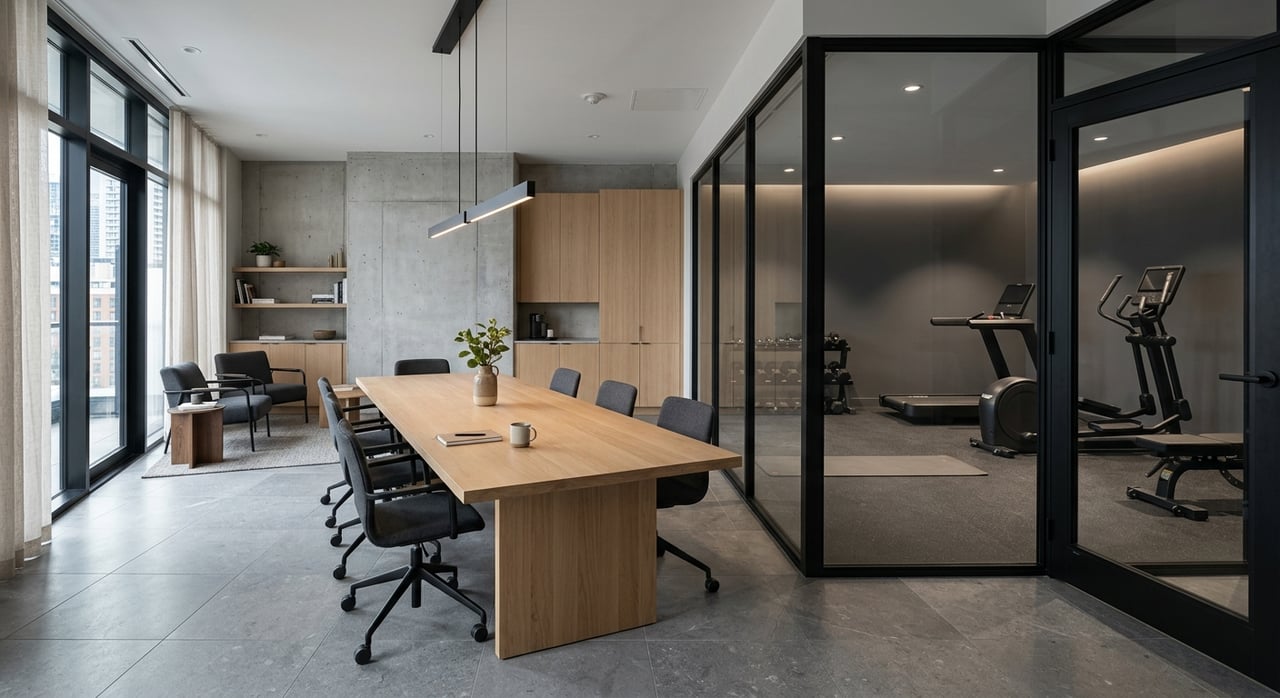
An in-building gym can be convenient, but it adds ongoing operating expense. Those costs may include electricity, HVAC, cleaning, repairs, service contracts, insurance, and eventual equipment replacement.
You may not see a line labeled “gym” in the budget. Instead, those costs are often embedded across broader categories such as utilities, repairs and maintenance, insurance, and service contracts.
Rooftop and Outdoor Space Costs
Roof decks, terraces, and landscaped outdoor areas can be a major selling point in Manhattan. They can also bring meaningful upkeep costs.
These spaces often require waterproofing, exterior maintenance, landscaping, snow removal, and safety-related service contracts. Buyers should pay close attention here because roof, facade, and elevator repairs are specifically identified as some of the more expensive building-wide repair issues.
Lounge and Workspace Costs
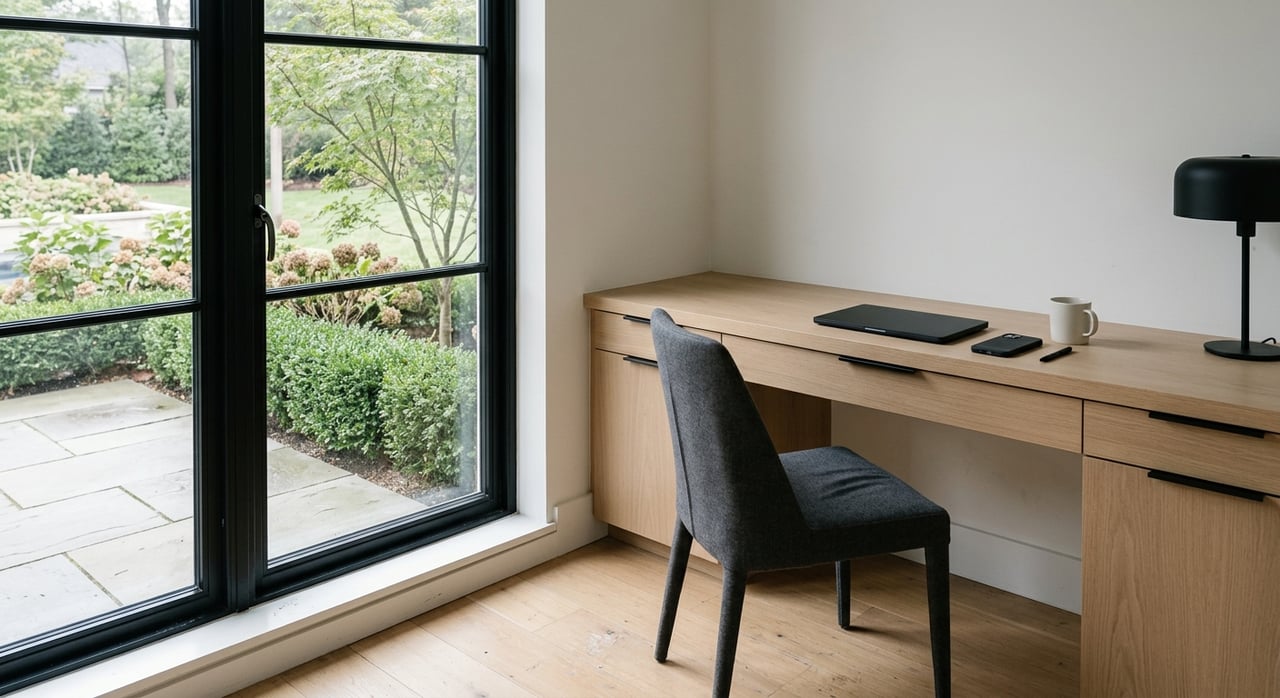
Shared workspaces, resident lounges, and club rooms can make a building feel more polished and useful day to day. They also add cleaning, utilities, furniture replacement, and management burden.
Again, these expenses may not be isolated in one line item. They usually show up indirectly through labor, utilities, management fees, service contracts, maintenance, and reserve planning.
Parking and Retail Income
Some Kips Bay buildings include parking, retail, or other income-producing uses. In the right situation, that income can help support the building’s financial picture.
Still, you should not assume that outside income automatically lowers your monthly burden. What matters is whether that income is durable and whether it fairly covers the expenses tied to that space.
Why Property Taxes Deserve Separate Attention
Property taxes are their own part of the carrying-cost equation. In New York City, condo units are separately assessed and taxed as separate tax lots.
That means two condos with similar common charges can still have very different monthly ownership costs once taxes are added. It is also worth knowing that some qualifying buildings may benefit from city abatement programs, which can reduce the tax burden.
How to Judge Value, Not Just Cost
A high monthly number is not automatically bad. If you actually use the services and amenities, and the building is well run, those costs may be justified.
The smarter question is whether the annual cost of the amenity package is lower than, or at least competitive with, what you would otherwise spend outside the building. If a condo gym replaces a separate membership, if on-site staff adds meaningful convenience, or if outdoor space changes how you live, the value may be real.
In Kips Bay, that analysis is especially important in larger towers and newer developments, where staffing, open space, parking, and recreation are more common. But you should always base the decision on the building’s actual documents and operating budget, not on marketing language alone.
What to Review Before You Buy
If you want a clear view of carrying costs, start with the building documents. The most important source is the offering plan.
In New York, the offering plan governs what the sponsor is actually required to deliver. That includes amenities like recreational facilities, parking, rooftop features, and other common elements. If something matters to you, make sure it is documented there and not just highlighted in a brochure or sales presentation.
Check the Financials
Review the most recent financial report carefully. You want to see how the building handles labor, utilities, maintenance, insurance, management, contingency, and reserves.
A building with attractive amenities but weak financial planning can become more expensive later. Strong operations are often more important than a long amenity list.
Read Board Minutes
Board minutes can reveal issues that marketing materials will not. They may point to recurring maintenance problems, upcoming capital projects, or disputes around building operations.
That context matters because carrying costs are not just about today’s monthly number. They are also about whether the building is likely to face future financial pressure.
Review Repair History and Violations
You should also look at posted violations and any known building-wide repair history. These records can help you spot concerns tied to roofs, facades, elevators, or other costly systems.
In an amenity-rich building, deferred maintenance can be especially expensive. A polished lobby does not always tell you what is happening behind the scenes.
Look Closely at Reserves
Reserve funding is one of the most important parts of the picture. New York condo rules require disclosure of reserve funds or working-capital funds, how those funds may be used, and whether they appear sufficient for likely capital repairs and replacements.
That matters because reserve strength can affect your risk of future financial strain. Inadequate reserve coverage within the first five years is specifically flagged as a concern under the rules.
Watch for Long Contracts
Long-term management agreements or service contracts deserve attention too. These agreements can lock a building into obligations that may be expensive or hard to change.
The condo rules require disclosure of management terms, fees, duties, and contracts or leases that bind the condominium. If a building has outside income from leased space, you should also understand whether that income actually covers the expense attributable to that space.
A Practical Kips Bay Buyer Framework
If you are comparing condos in Kips Bay, keep your review simple and disciplined. Focus on the total monthly cost, then work backward to understand what is driving it.
Use this checklist as a starting point:
- Separate common charges from property taxes
- Ask which utilities are paid directly by the unit owner
- Match the amenity package to the operating budget
- Confirm key amenities in the offering plan
- Review the latest financial statements and board minutes
- Check reserve funding and repair history
- Consider whether parking or retail income meaningfully supports the building
- Compare the in-building amenity value to what you would spend outside the building
A condo with higher charges may still be the better buy if the building is financially sound and the services fit your lifestyle. On the other hand, a lower monthly figure can be misleading if the building is underfunded or major repairs are looming.
In Kips Bay, where the housing stock ranges from simpler older buildings to amenity-rich towers, context is everything. The goal is not to find the lowest carrying costs. It is to find the building where the costs, services, and long-term financial health make sense together.
If you want a clear, no-nonsense read on a Kips Bay condo’s monthly economics before you make an offer, Steven Kramer can help you compare buildings, review the numbers, and move forward with confidence.
FAQs
What do carrying costs include in a Kips Bay condo?
- Carrying costs usually include common charges, property taxes, your mortgage payment if financed, and any unit-level utilities or insurance not covered by the building.
Are common charges and property taxes the same in a New York condo?
- No. Common charges fund building operations and common elements, while property taxes are assessed separately on the individual condo unit.
Do amenities raise common charges in Kips Bay buildings?
- Often, yes. Staffed lobbies, gyms, rooftops, lounges, and other amenities can increase labor, utilities, maintenance, service-contract, and reserve costs.
How can you tell if a condo amenity is really included?
- Check the offering plan. In New York, that document governs what the sponsor is required to deliver, not the marketing brochure.
Why do reserve funds matter in a Kips Bay condo?
- Reserve funds help cover capital repairs and replacements. If reserves are weak, owners may face greater financial pressure when major building work comes up.
Can parking or retail space lower condo carrying costs?
- Sometimes. Income-producing space may help the building’s finances, but you need to confirm that the income is durable and covers the costs tied to that space.