Thinking about selling a loft in Gramercy-Flatiron? In this part of Manhattan, buyers are not just comparing square footage. They are comparing light, ceiling height, flexibility, finish level, and how clearly a home’s character comes through the moment they see it online. If you want to position your loft well in a market with real competition, it helps to know which details truly move value and which updates may not be worth overdoing. Let’s dive in.
Gramercy-Flatiron lofts compete on more than price
Gramercy and Flatiron sit side by side, but they offer different buyer experiences. Flatiron is known for its historic building stock, former loft spaces, and luxury new development presence, while Gramercy has a more established residential identity with preserved historic character.
That distinction matters when you sell. Buyers are often choosing not only between homes, but between two slightly different lifestyles within the same general area. Your loft needs to tell a clear story about where it fits and why it stands out.
StreetEasy data also shows a competitive backdrop. Flatiron currently has a median sale price around $1.7 million and Gramercy Park around $1.0 million, with both at about 55 median days on market. With hundreds of apartments on the market across these adjacent areas, presentation is not optional.
Ceiling height is a real value driver
In a loft, ceiling height is part of the product. It changes how the home feels, how light travels, and how buyers perceive scale.
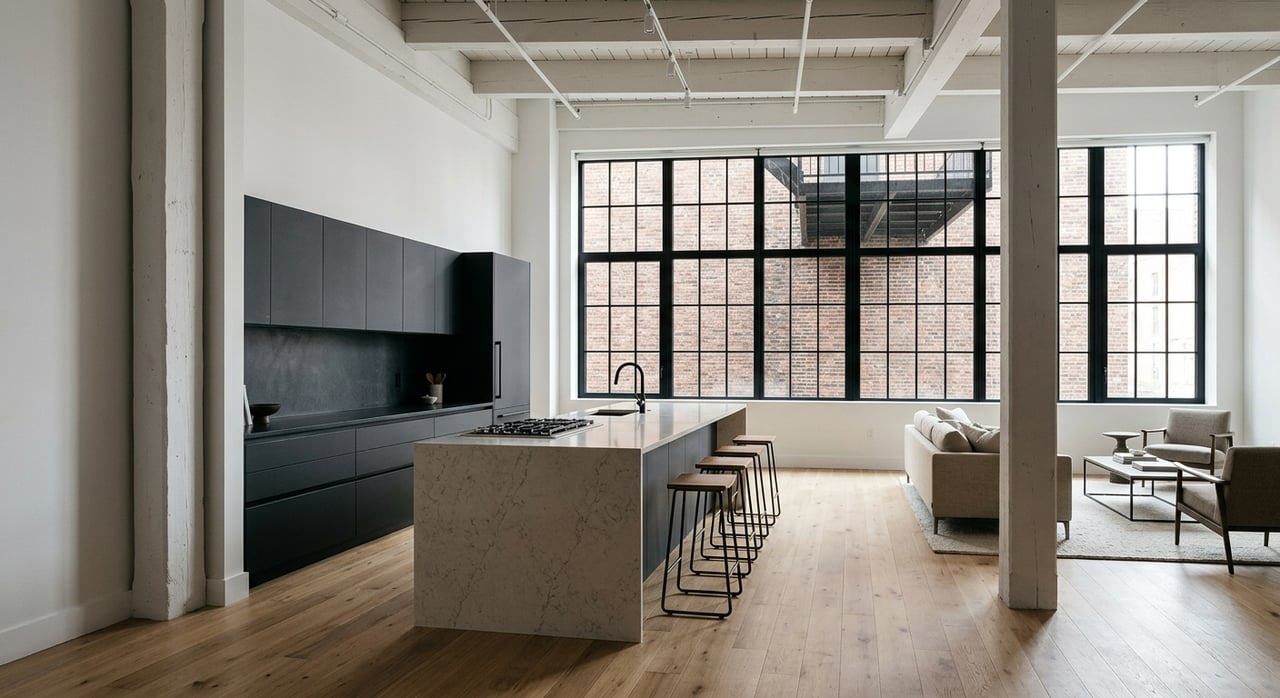
Current loft and loft-like listings in the area regularly highlight ceilings from roughly 11 to 14 feet. That repeated emphasis is a clue. Buyers in Gramercy-Flatiron are paying for volume and openness, not just the floor plan on paper.
If your loft has dramatic ceiling height, make that one of the first things buyers understand. Strong photography, clean sightlines, and uncluttered staging help the vertical space read immediately.
Why volume changes buyer perception
A lofty room often feels more flexible and more architecturally distinct. Even when two homes have similar square footage, the one with better volume can feel more premium.
That is why small visual distractions matter. Heavy furniture, dark corners, and too many accessories can make a tall room feel flatter than it is. When you sell, the goal is to make the space feel effortless.
Light and windows shape first impressions
Natural light is one of the most marketable features in this submarket. Area listings repeatedly call out oversized windows, floor-to-ceiling glass, and desirable exposures because buyers notice those features right away.
For many loft buyers, windows do more than brighten a room. They reinforce the open feel, highlight architectural details, and make the space photograph better online.
If your home has southern or western exposure, oversized industrial-style windows, or open views, those should be front and center in the marketing. These are fixed advantages that buyers cannot easily recreate.
Make light feel obvious
Before listing, check whether the home is doing everything possible to show well in daylight. Clean windows, brighter fixtures, lighter paint, and thoughtful furniture placement can all improve how light moves through the space.
This is especially important because buyers often decide what to tour based on photos first. If the home looks bright, open, and calm online, you are more likely to get serious interest.
Flexible layouts matter more than they used to
Open loft living still appeals to many buyers, but the market has become more nuanced. Buyers often want openness, yet they also care about privacy, work-from-home functionality, guest space, and noise control.
That shift makes layout flexibility a key value driver. In this market, listings often promote the ability to create a second bedroom, den, guest area, or office because adaptability helps widen the buyer pool.
If your loft has an easy path to reconfiguration, that should be explained clearly. Buyers may not immediately understand the possibilities from photos alone.
Show what the layout can do
A good floor plan is especially useful for a loft. It helps buyers see flow, proportions, and possible alternate uses in a way photos cannot always capture.
The listing copy should also do more than describe dimensions. It should explain how the space lives today and what options it offers tomorrow.
Condition and finish can affect buyer urgency
Loft buyers in Gramercy-Flatiron are often comparing older converted spaces with newer condo inventory. That means condition matters, even when architectural character is the draw.
Turnkey details can help a loft feel easier to buy. Area listings often showcase renovated kitchens, marble baths, custom closets, and polished finishes because buyers respond to spaces that feel cared for and ready.
That does not mean every seller should take on a major renovation before listing. In many cases, targeted improvements deliver a better return than a full speculative overhaul.
Focus on smart pre-sale updates
For a near-term sale, the strongest lower-cost moves are often:
- Fresh paint
- Decluttering and cleanup
- Brighter, cleaner lighting
- Minor repairs that remove visual distractions
- Staging the main living areas to emphasize scale and flow
These steps help buyers focus on the loft’s strengths instead of mentally subtracting for deferred maintenance or cosmetic issues.
Building character helps, but convenience closes deals
Character is a major reason buyers want a loft in the first place. In Gramercy, preserved historic character is part of the neighborhood’s identity. In Flatiron, cast-iron and Beaux-Arts architecture, along with converted former loft buildings, help create a distinct appeal.
Still, charm alone is not always enough. Many buyers also want practical day-to-day convenience, especially in Manhattan.
That is why building features such as elevator access, doorman service, laundry, package handling, and full-service management can strengthen value. These details help balance the appeal of an older building with the expectations of modern living.
Historic context can shape buyer questions
If your loft is in or near a landmarked or historic district, buyers may ask about building rules and alteration considerations. In Gramercy especially, preserved character is part of the appeal, so these questions are normal.
The key is to be ready with clear, factual information about the home and building. Confidence comes from transparency.
Marketing should lead with fixed advantages
When you prepare a loft for market, focus first on the features that cannot be easily duplicated. Those are usually the strongest value drivers and the best tools for differentiation.
In Gramercy-Flatiron, that often means:
- Ceiling height
- Window size and light quality
- Exposure and views
- Flexible layout potential
- Private outdoor space, if applicable
- Architectural character
- Building services and conveniences
These are the qualities that help buyers justify price and remember your home after viewing several others.
Avoid over-customizing before sale
Sellers often get better results from restrained, strategic preparation than from expensive personalization. If a kitchen or bath is clearly dated, a modest refresh may help. But if the loft’s strongest appeal is its scale, light, and authenticity, those should remain the headline.
The goal is not to redesign the home for your taste one last time. It is to make the loft legible, polished, and easy for buyers to value.
Photography and floor plans are especially important for lofts
Lofts can be harder to understand online than traditional room-by-room homes. Their value often comes from how the space feels, how rooms connect, and how volume changes the experience.
That is why high-quality photography and a clear floor plan matter so much. Wide, bright images help communicate openness, while a floor plan shows layout logic and possible flexibility.
In a photo-driven search environment, this can have a direct impact on interest. Buyers need to understand the space quickly, or they may move on to the next listing.
Position the lifestyle clearly
The strongest loft marketing in Gramercy-Flatiron usually combines four ideas: light, volume, flexibility, and convenience. That messaging reflects both what buyers want and what the neighborhood offers.
Flatiron attracts attention for its restaurants, retail, commercial energy, and multiple subway connections. Gramercy draws buyers who want quieter residential blocks, preserved historic context, and close access to Union Square.
Your loft should be positioned in a way that matches its exact location and feel. The sharper the story, the easier it is for buyers to see the value.
What buyers are likely to ask
Serious buyers in this segment often come in with focused questions. If you can answer them clearly, you remove friction and build trust.
Common questions include:
- Can the loft be reconfigured for a second bedroom or office?
- How much natural light does it get during the day?
- How much storage is available?
- Is the building elevator or doorman-serviced?
- How updated is the kitchen and bath?
- Are there any building or historic-district considerations that affect alterations?
These questions all point back to the same issue. Buyers want a loft that feels distinctive, but also usable.
The bottom line for sellers
Lofts in Gramercy-Flatiron tend to win buyers over through a blend of architecture and practicality. The homes that perform best are usually the ones that make their strengths obvious right away: ceiling height, natural light, flexible layout, authentic character, and enough polish to feel move-in ready.
If you are planning a sale, a disciplined strategy matters. Clear positioning, sharp presentation, and pragmatic pre-listing preparation can make a meaningful difference in a market where buyers have options.
If you want a straightforward, confidential conversation about how to position your loft for today’s market, reach out to Steven Kramer.
FAQs
What adds the most value when selling a loft in Gramercy-Flatiron?
- The biggest value drivers are usually ceiling height, natural light, window quality, layout flexibility, renovation condition, architectural character, and useful building services.
How important is ceiling height in a Gramercy-Flatiron loft sale?
- Ceiling height is very important because it shapes the sense of volume and openness, which is a major part of what buyers are paying for in a loft.
Should you renovate before selling a loft in Gramercy-Flatiron?
- In many cases, targeted updates like paint, lighting, repairs, and staging are more effective than a full renovation unless the home is materially dated for its competitive set.
Why do floor plans matter when selling a loft in Gramercy-Flatiron?
- Floor plans help buyers understand flow, proportions, and possible room conversions, which is especially important in open loft layouts.
What do buyers ask about Gramercy-Flatiron lofts most often?
- Buyers commonly ask about light, storage, layout flexibility, building services, renovation quality, and whether any historic or building rules affect future changes.