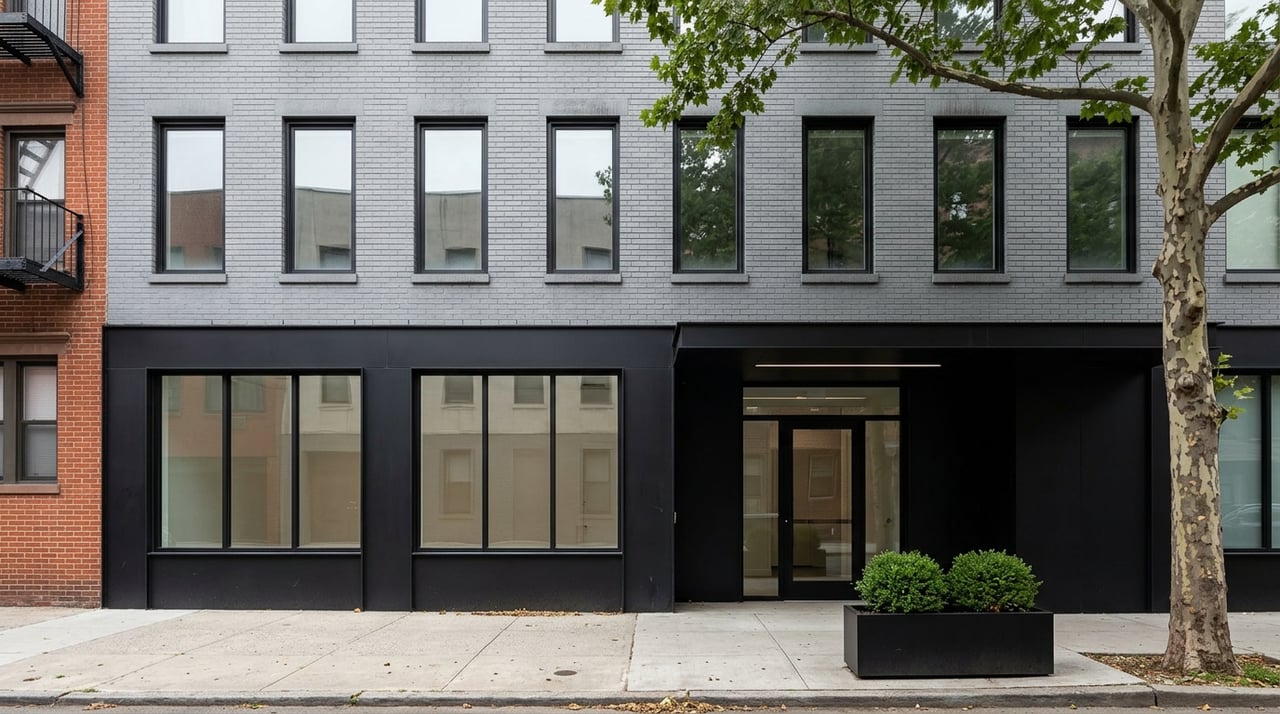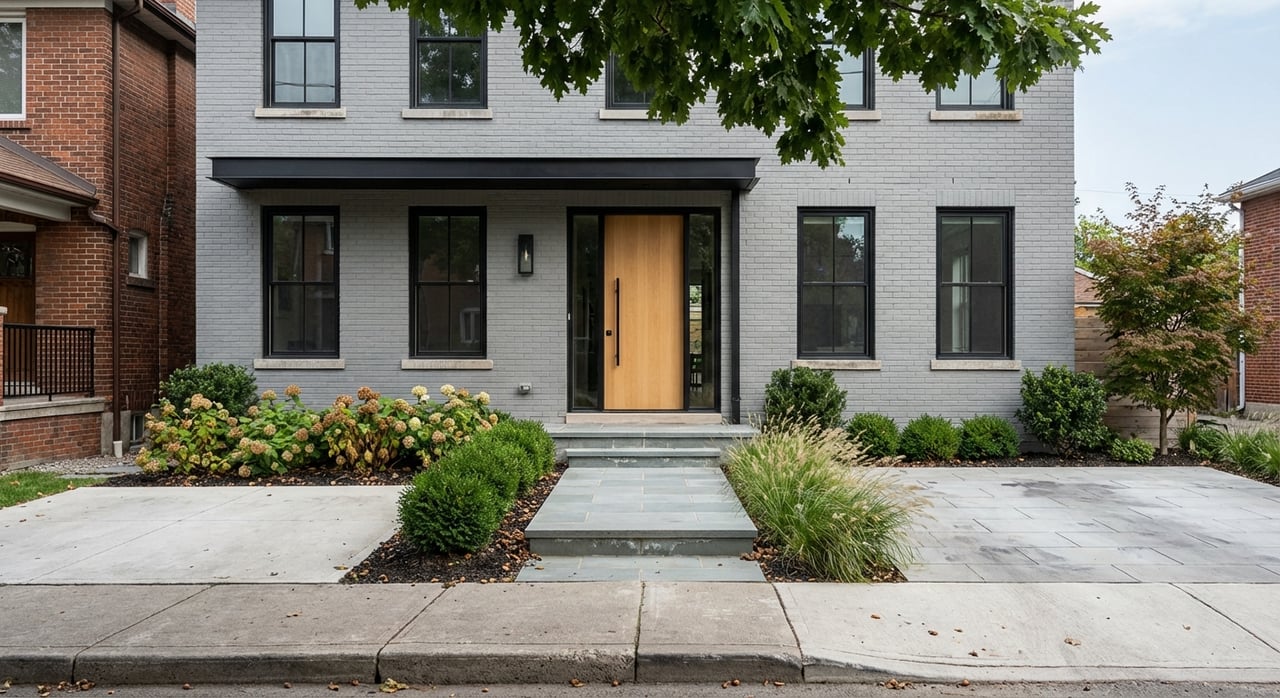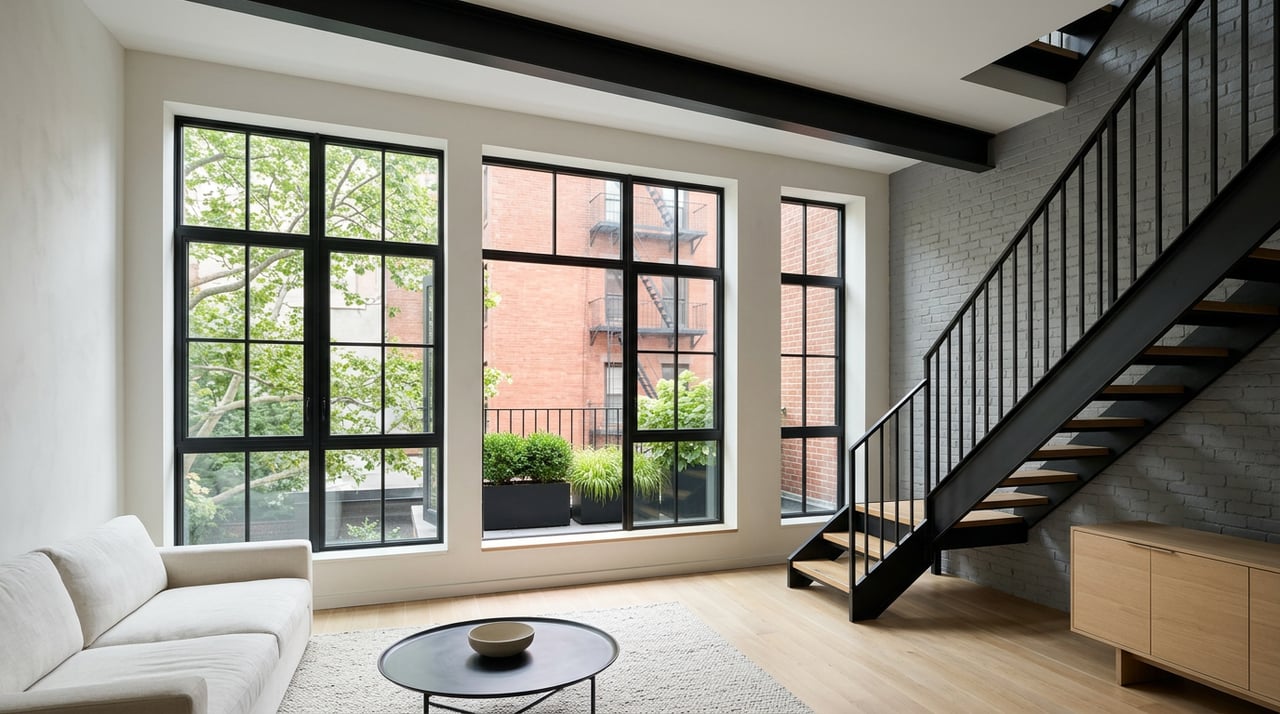
Standing at the corner of history and style, the West Village gives you three distinct ways to live well: condo, loft, or townhouse. If you are weighing lifestyle, privacy, maintenance, and long-term flexibility, the right choice is not just about square footage. It is about how you want to live day to day and what you want to manage behind the scenes. In this guide, you will compare each option side by side, learn the real maintenance and approval considerations, and frame your budget with current neighborhood context. Let’s dive in.
West Village housing at a glance
Much of the West Village sits within historic districts, with a streetscape defined by townhouses, brownstones, and prewar buildings. Many addresses fall under local landmark oversight, so exterior changes often trigger review. You can explore designation maps and boundaries through Village Preservation’s resources.
Apartment inventory here includes both condos and a large share of co-ops. In New York City, co-ops outnumber condos and typically have stricter rules and approvals. Condos offer more flexibility and tend to be amenity rich. For a clear breakdown of ownership and policy differences, see StreetEasy’s co-ops vs. condos guide.
Condo living: convenience and flexibility
Condos suit you if you want a lock-and-leave home with modern systems and services. Many boutique and full-service buildings offer doormen, gyms, roof decks, and upgraded mechanicals. Owners typically face fewer governance hurdles than co-ops, including more flexibility for subletting or pied-à-terre use, as summarized in this StreetEasy explainer.
Maintenance is straightforward. You handle your unit’s interior while common charges fund building operations and shared systems. Property taxes are billed separately. Privacy can feel strong in full-service buildings with staffed entry and defined access control.
- Best if you want: amenity access, low-maintenance ownership, and resale or rental flexibility.
- Watch-outs: monthly common charges vary by services and amenities; noise levels and privacy depend on building construction and location.
Loft life: volume and character
Classic lofts deliver space that feels architectural and open. Expect large windows, tall ceilings, and exposed structure. Many are conversions from industrial buildings and offer creative layouts that favor entertaining and flexible use. For a look at loft features and design considerations, review Fontan Architecture’s loft overview.
The openness that makes lofts special also reduces acoustic privacy between zones. HVAC, humidity control, and electrical planning matter, especially in older conversions. Amenities vary widely and may be minimal compared with newer condos.
- Best if you want: expansive, open-plan living and distinctive character.
- Watch-outs: fewer shared amenities, sound transmission in open layouts, and potential mechanical upgrades for comfort.
Townhouse living: space and control
A townhouse gives you multi-level living, a private entrance, and the potential for outdoor space. You control the entire property and can shape it to your needs over time. Many West Village townhouses are historic, with stoops and gardens that add charm and quiet separation from shared hallways.
With control comes responsibility. You manage the full building envelope, utilities, and grounds. Exterior work on landmarked blocks often requires approvals. The West Village’s historic status is detailed in the Landmarks Preservation Commission’s district report and maps. Most structural or system changes will also involve Department of Buildings permits; see the city’s permit guidance.
- Best if you want: house-like privacy, outdoor space, and long-term control.
- Watch-outs: larger and less predictable maintenance costs, renovation approvals, and no shared building amenities.
Co-op vs. condo basics in the Village
Co-ops and condos can look similar from the lobby, but ownership and rules differ. Co-ops are corporations that own the building; you buy shares and receive a proprietary lease. Monthly maintenance often includes building taxes and any building-level mortgage. Co-op boards commonly regulate subletting, renovations, and admissions, which can lengthen timelines. Condos are deeded units with separate property tax bills and typically faster, more flexible closings. StreetEasy’s co-op vs. condo guide offers a concise side-by-side.
Financing also varies. Co-ops often require larger down payments and stronger post-close liquidity, while condos may allow lower down payments and have broader lender participation. Townhouses follow single-family underwriting and require capacity for the full building and lot.
Price signals to frame your budget
As a zip-level snapshot, listings across 10014 have recently shown a median asking price around $2.25 million and roughly $2,090 per square foot. These figures change with inventory and seasonality, but they offer helpful context when you set search parameters.
Product types price differently. Condos generally ask more than co-ops due to flexibility and investor demand, while co-ops often deliver more space for the budget because of stricter rules and board approvals, as outlined by StreetEasy. Townhouses sit at the high end of the West Village market. Recent notable trades illustrate the top tier, including West Village townhouses changing hands in the high eight figures, such as a roughly $19 million sale reported in early 2026 by The Real Deal.
Renovations, permits, and approvals
Plan upfront for approvals if you intend to renovate. Structural changes, egress updates, and building system work typically require permits from the NYC Department of Buildings. The city’s permit page outlines categories and when a registered design professional is needed.
If your property is in a historic district or is a designated landmark, exterior changes usually require Landmarks Preservation Commission review, often via a Certificate of Appropriateness. The West Village has extensive landmark coverage; refer to LPC materials and Village Preservation maps to confirm a block’s status. When touring, ask for any DOB job filings and LPC approvals tied to prior work.
Privacy, service, and amenities
- Condos: Often feature doorman, concierge, and amenity suites. Privacy and convenience feel strong in full-service buildings. Services increase monthly carrying costs.
- Lofts: Emphasize large private interior space. Shared amenities are not guaranteed and depend on the specific conversion.
- Townhouses: Offer literal separation with a private entrance and garden. No shared amenities, but complete control over your environment and schedule.
Quick decision checklist
- Lifestyle fit: Do you want amenity convenience (condo), open entertaining and creative space (loft), or house-like living with outdoor space (townhouse)?
- Time and budget for maintenance: Do you prefer association-managed upkeep (condo or co-op) or are you ready to manage full-building repairs and vendors (townhouse)?
- Flexibility needs: Will you need to sublet, use a pied-à-terre, or keep a flexible timeline? Co-op rules may limit options.
- Renovation appetite: Are you prepared to pull DOB permits and possibly LPC approvals for exterior work in historic areas? Review the DOB permit guide and LPC resources.
- Financing profile: Can you meet common co-op down payment and liquidity standards, or is condo or townhouse financing a better fit? See co-op vs. condo guidance.
- Local block check: Confirm landmark status and block character using Village Preservation maps.
What to do next
If you are early in your search, start by touring one example of each type to feel the difference in light, flow, and privacy. Bring questions about building policies, monthly charges, past permits, and any planned capital projects. If a townhouse is in the mix, budget time with an architect and contractor before you commit.
When you are ready for a targeted plan, connect with Steven Kramer for a confidential consultation. You will get a clear path based on lifestyle, approvals, and financing, plus access to the team’s marketing reach and neighborhood insight.
FAQs
What is the key difference between a condo and a co-op?
- Condos are deeded units with separate property taxes and generally more flexible rules, while co-ops are corporations where you buy shares and pay monthly maintenance that often includes building taxes and any building-level mortgage, as outlined by StreetEasy.
Are West Village townhouses subject to landmark approvals?
- Many are in historic districts, so exterior changes typically require Landmarks Preservation Commission review in addition to Department of Buildings permits; check LPC materials and Village Preservation maps.
Do West Village lofts include modern building amenities?
- Amenities vary by building; many loft conversions prioritize interior volume and character over shared amenity packages, so confirm services during tours.
How do monthly costs differ for condos vs. co-ops?
- Condo owners pay common charges plus separate property taxes; co-op shareholders pay monthly maintenance that covers building operations, property taxes, and any building debt, which changes cash flow and tax treatment.
What financing differences should I expect by property type?
- Co-ops often require larger down payments and stronger liquidity; condos may allow lower down payments with wider lender options; townhouses follow single-family underwriting and require capacity for the entire building and lot.