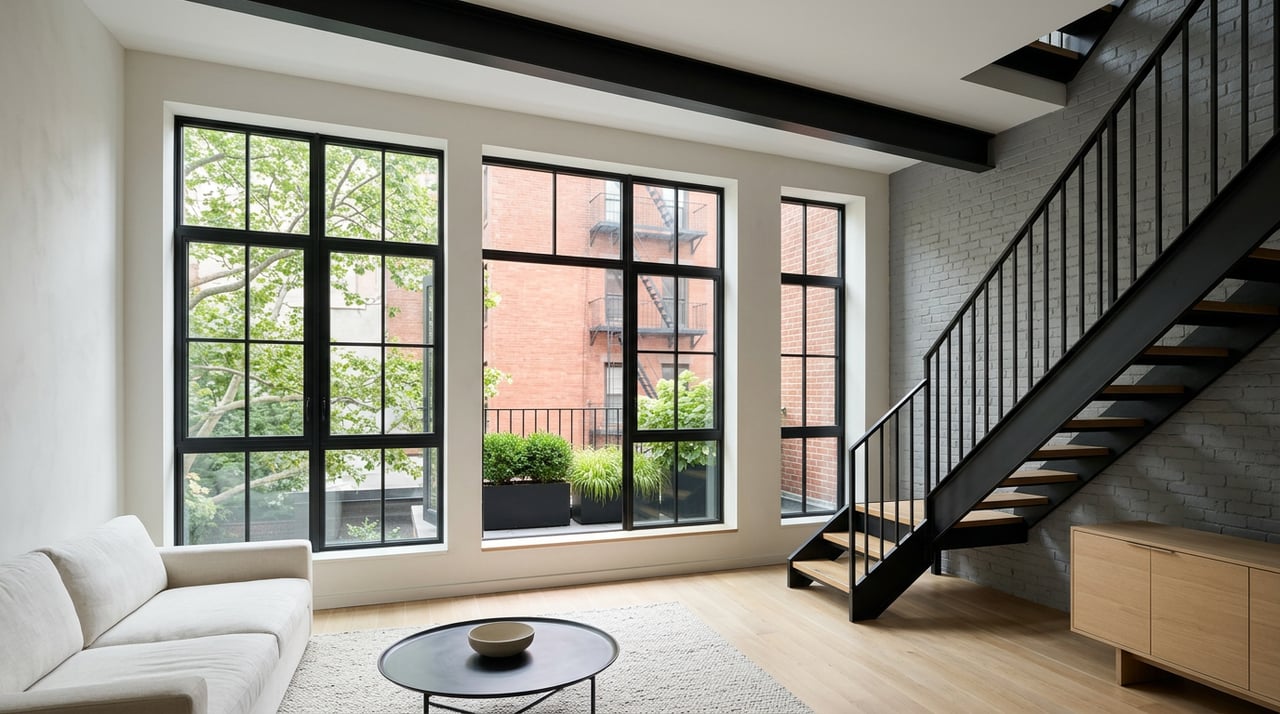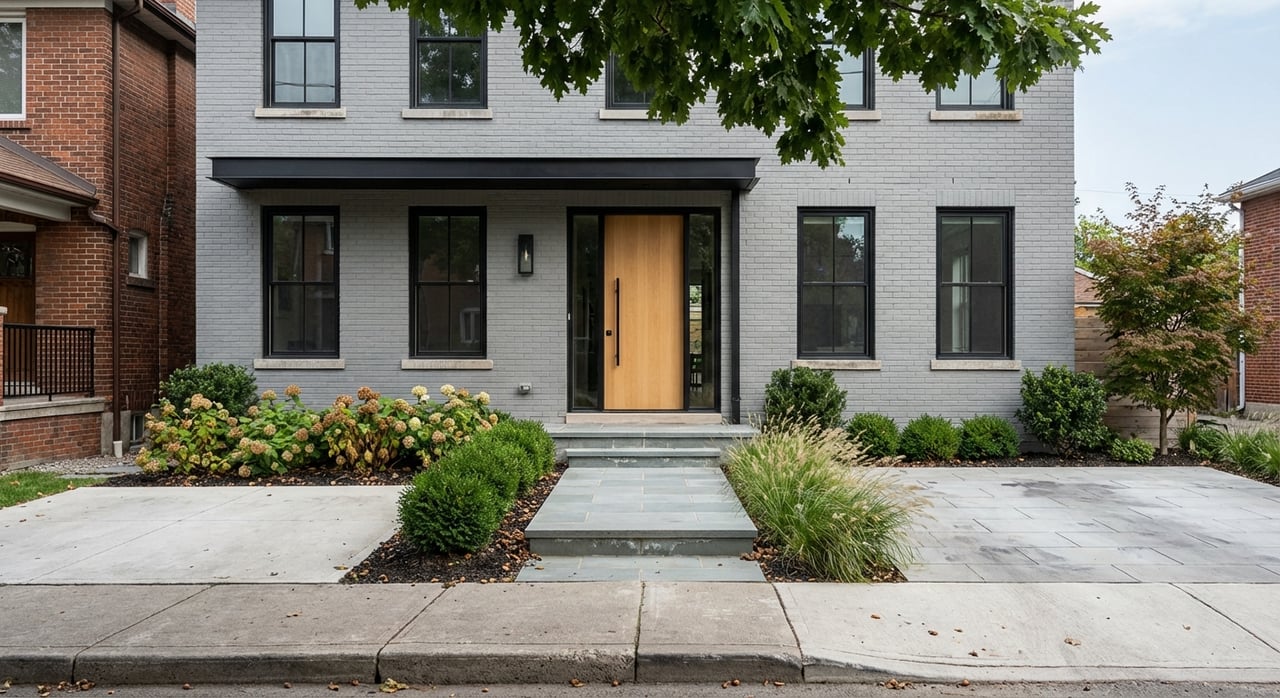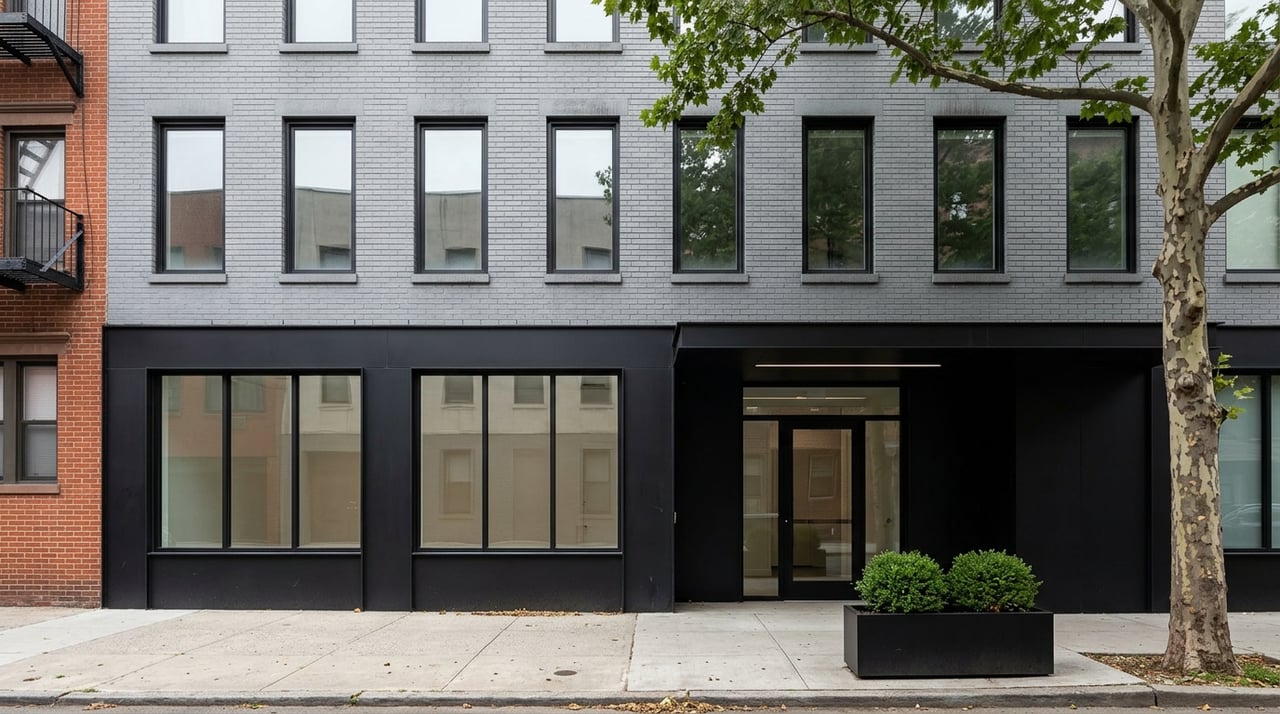
What makes Chelsea feel so distinct in a city full of new development? In many parts of Manhattan, new inventory shows up as large-scale towers with long amenity lists. In Chelsea, many of the most influential projects are smaller, more design-driven, and more selective by nature. If you are watching this market as a buyer or seller, it helps to understand why boutique development carries so much weight here. Let’s dive in.
Why Chelsea Produces Boutique Development
Chelsea’s development pattern is not random. According to Manhattan Community Board 4’s Chelsea land use materials, the area’s planning framework has focused on orderly growth, preservation, and contextual zoning that protects lower-rise blocks from inappropriate infill.
That matters because zoning shapes the kind of buildings that get built. In practice, Chelsea often favors mid-rise projects on scarce sites rather than a constant stream of very large towers. The result is a pipeline where new buildings often feel more intimate, architecturally specific, and carefully positioned within the neighborhood streetscape.
In West Chelsea, this pattern is especially visible near the High Line. CityRealty’s market coverage describes the corridor as highly in demand, with active but relatively rare new development and average condo pricing on its High Line Index at $2,459 per square foot.
Scarcity is part of the story. On the Chelsea-Flatiron and Ladies’ Mile edge, CityRealty also notes that new developments are rare, which gives each boutique launch outsized influence on how buyers think about design, pricing, and value.
How Boutique Buildings Differ From Towers
Chelsea’s boutique projects usually compete on a different set of strengths than larger luxury towers. Instead of sheer scale, they tend to focus on privacy, layout quality, materials, and a more residential feel.
Graydon Chelsea is a clear example. It has 30 units across 15 stories, only three residences per floor, a rooftop deck, a part-time doorman, oversized windows, white oak flooring, Miele appliances, and in-unit washers and dryers.
Linea follows a similar formula with 32 units in 11 stories, a 24/7 attended lobby, roof terrace, and private outdoor space in many homes. The emphasis is less about overwhelming amenity volume and more about delivering a polished, high-function living experience.
At the more house-like end of the spectrum, The Myles is launching with just 22 residences across 13 stories, mostly larger two- to five-bedroom homes. Features like private outdoor space, home offices, mudrooms, a wellness suite, and a private garage suggest a product designed around livability as much as prestige.
Flatiron House shows a slightly larger version of the same idea, with 48 units across two linked buildings, a central garden, full-floor loft residences, filtered air, acoustic enhancements, planted loggias, and natural finishes.
By contrast, larger developments in Chelsea and West Chelsea often compete on a very different scale. One High Line has 236 condos in two towers spanning a full block, while The Cortland includes 144 residences and a 20,000-square-foot amenity suite with a pool, spa, golf simulator, screening room, and other large-building features.
What Buyers Usually Notice First
When you compare boutique buildings with larger towers, the tradeoffs become more obvious.
- Boutique buildings often offer more privacy, fewer neighbors, and more distinctive floor plans
- Larger towers often offer broader amenity packages and more extensive services
- Boutique projects may feel more curated and residential
- Towers may appeal if you prioritize full-service infrastructure and shared spaces
Neither format is automatically better. In Chelsea, the right fit often depends on whether you value individuality and layout efficiency more than resort-style amenities.
How Boutique Projects Shape Chelsea Pricing
Boutique new development affects Chelsea’s market in a meaningful way, even when it does not add a large number of units. That is because small, high-end buildings can still have a big impact on neighborhood pricing trends and buyer expectations.
According to CityRealty’s 1H 2025 and Q3 2025 market coverage, Chelsea’s median condo price was reported at $2.2 million in both periods. That figure was down year over year, and CityRealty noted that earlier sponsor closings at projects such as The Cortland, One High Line, Flatiron House, and The Elisa had previously pushed the median higher.
This is an important point if you are trying to read the market clearly. In Chelsea, pricing does not always move in a straight line because the mix of closings matters. A round of high-end sponsor closings can lift the median, while a later period dominated by resale activity can pull that number back down.
CityRealty also noted that more sales were expected from boutique developments such as Linea and 435 West 19th Street. That reinforces a core reality in Chelsea: building-by-building delivery timing can have an outsized effect on the data.
Because many boutique projects have only 22 to 32 residences, even a handful of closings can influence the neighborhood story more than many buyers expect. For that reason, headline market numbers are useful, but they should always be read alongside the active pipeline and the type of inventory actually closing.
What Chelsea Buyers Should Watch Now
Chelsea remains a premium market, but premium does not always mean inflexible. StreetEasy’s 2025 buyer guide reported a Chelsea median asking price of $1.95 million, down 22 percent year over year, while inventory rose 6 percent and 15 percent of homes took price cuts in January and February.
For you as a buyer, that means two things can be true at once. Chelsea can stay expensive by any normal standard, and there can still be pockets of negotiating room when inventory broadens or when asking prices get ahead of current demand.
In boutique buildings, negotiation also becomes more nuanced. The opportunity may not just be about headline price. It may involve storage, outdoor space, finish selections, closing timing, or how a particular line compares with others in the same building.
Why New-Development Data Needs Context
New-development closings often lag behind the moment a deal was actually made. According to Brown Harris Stevens’ 1Q 2025 Manhattan report, contracts for new apartments can be signed months or even years before closing.
That means a closing recorded today may reflect a pricing decision from a very different market environment. The same report also notes that the West Side accounted for 24.6 percent of all new-development closings in 1Q25, the largest share of any Manhattan market area.
If you are comparing sponsor inventory with resale options in Chelsea, timing matters. A recorded closing can be real and important, but it is not always a direct snapshot of today’s negotiating conditions.
What to Review in a Chelsea Sponsor Purchase
If you are considering a sponsor unit or pre-construction opportunity, details matter more than marketing language. The New York State Attorney General’s co-op and condo buyer guidance makes clear that new construction purchases are governed by the offering plan, and that buyers should not rely on brochures, renderings, or verbal statements if a feature is not specifically promised there.
In a boutique Chelsea building, that point is especially important because the sales pitch often centers on design, materials, private outdoor space, and a more tailored living experience. You should evaluate the exact residence, not just the concept.
Here are some of the items worth reviewing closely:
- The exact unit line and floor plan
- The finish schedule and appliance package
- Any promised private outdoor space
- Storage rights, if available
- Parking rights, if offered
- Amenity commitments and building services
- The sponsor’s stated obligations for construction and ancillary spaces
Smaller buildings can offer an exceptional ownership experience, but they may not include the same service model or common amenity depth as a larger tower. In Chelsea, understanding that distinction upfront helps you compare options on the right terms.
Why Boutique Development Matters for Sellers Too
If you own in Chelsea, boutique new development shapes more than buyer demand. It also affects how your property is positioned against current competition.
New boutique launches can raise expectations around finishes, layout efficiency, wellness features, private outdoor space, and overall presentation. Even when those projects bring only a small number of units to market, they can influence how buyers judge resale inventory nearby.
That does not mean every resale has to compete feature for feature. It does mean pricing, staging, and marketing need to reflect what buyers are seeing in the current development pipeline and how they are comparing value across product types.
The Bottom Line on Chelsea’s Boutique Market
Boutique new development shapes Chelsea less through volume and more through influence. Small buildings with strong design, limited unit counts, and carefully positioned amenities help define the neighborhood’s luxury standards while also making pricing data more sensitive to individual project timing.
If you are buying, that means looking beyond the headline median and focusing on the specific building, unit, and purchase terms. If you are selling, it means understanding how the newest boutique product is framing buyer expectations in real time.
For clear, data-driven guidance on Chelsea condos, sponsor opportunities, and resale strategy, you can request a confidential consultation with Steven Kramer.
FAQs
How do boutique new developments affect Chelsea condo prices?
- Boutique developments can influence Chelsea pricing even with small unit counts because a limited number of high-end sponsor closings may shift neighborhood median price data and buyer expectations.
What is considered a boutique condo building in Chelsea?
- In Chelsea, boutique condo buildings are typically smaller-scale developments with limited residences, more privacy, design-focused finishes, and a more curated residential feel than larger towers.
Are new developments in Chelsea common?
- New development exists in Chelsea, especially near the High Line, but research cited here shows it remains relatively rare in several parts of the neighborhood, which gives each project more market influence.
What should buyers review before buying a Chelsea sponsor unit?
- Buyers should closely read the offering plan and confirm the exact unit layout, finishes, outdoor space, storage, parking rights, and amenity commitments before signing.
How is buying in a boutique Chelsea building different from buying in a tower?
- Buying in a boutique Chelsea building often means prioritizing privacy, layout quality, and design details, while larger towers may offer broader amenities and more extensive services.
Why can Chelsea market data change quickly?
- Chelsea market data can shift quickly because small boutique projects and sponsor closings may affect pricing trends more noticeably than in deeper markets with more uniform inventory.