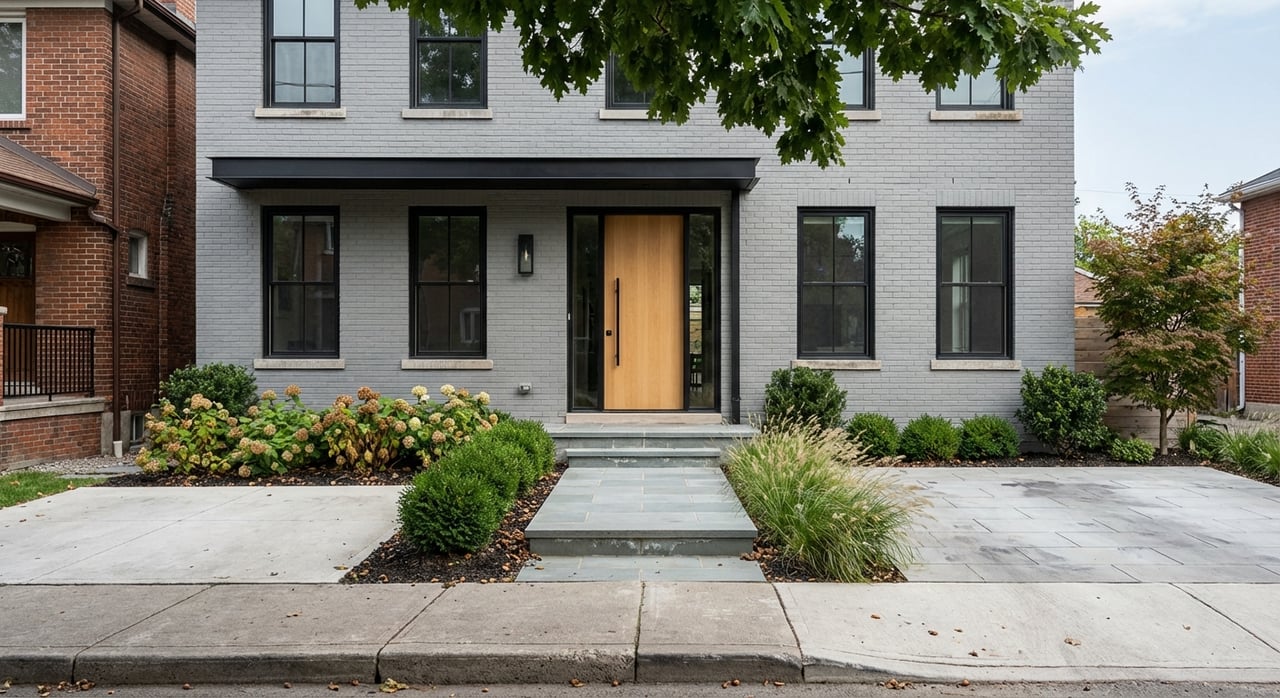
Thinking about right-sizing your life in Great Neck? You are not alone. With home values that typically range from about $950,000 to $1.42 million as of early 2026, and a mix of co-ops, condos, and single-family homes, the decision to upsize or downsize takes a clear plan. In this guide, you will learn how to weigh space needs against costs, understand product types by village, and run the numbers so your next move fits your lifestyle and budget. Let’s dive in.
Great Neck market snapshot
Great Neck is an affluent Long Island market with prices above the Nassau County average. Recent public trackers show typical values between roughly $950,000 and $1.42 million as of late 2025 to January 2026. Medians vary by property type and village, so compare co-ops, condos, and single-family homes separately and confirm the data date when you review the numbers.
Inventory has been tight while buyers remain selective. Some sources show modest increases in days on market and sale-to-list ratios near par. In short, it is a discerning market where preparation and pricing matter.
- Commute: The LIRR Port Washington branch serves Great Neck, with typical rides to Manhattan in about 25 to 40 minutes depending on the train. See details on the Great Neck overview page.
- Schools: The Great Neck Public Schools district is a major consideration for many households. Review programs, calendars, and district resources directly.
What you can buy in Great Neck
Great Neck is a peninsula made up of multiple incorporated villages and unincorporated areas, each with its own taxes, services, and permitting rules. Explore the area’s village directory at Destination: Great Neck to understand how boundaries may affect your plans.
- Great Neck Plaza and nearby blocks by the LIRR: Higher share of co-ops and condos, strong walkability, and convenience.
- Great Neck Estates, Kings Point, Thomaston, and Saddle Rock: More single-family homes, larger lots in some areas, and different village rules that affect renovations and additions.
Co-ops and condos at a glance
If you are downsizing for convenience, a co-op or condo can reduce maintenance and improve walkability. The monthly cost structures differ:
- Co-ops: The maintenance often includes the building’s property taxes, some utilities, building insurance, and any building-level mortgage. It can look high, but compare total monthly outlay. Learn more about co-op maintenance vs condo common charges.
- Condos: You pay common charges and a separate property tax bill for your unit. You typically have more flexibility than in co-ops, but monthly totals depend on taxes and assessments.
Co-ops add a board approval process and often higher down payment expectations. Confirm sublet rules, flip taxes, and building financials before you commit.
Single-family homes at a glance
If you are upsizing for space, most single-family homes sit within village and school district tax structures that drive carrying costs. Nassau County’s property taxes are significant, and five-figure annual bills are common on higher-value homes. Before you bid, pull assessor records and sample bills through assessor record search tools, and ask your attorney to confirm any village taxes.
Monthly cost drivers by property type
| Property type | Mortgage | Property tax | HOA/common or maintenance | Building-level mortgage in fees | Some utilities in fees | Board approval |
|---|---|---|---|---|---|---|
| Co-op | Yes | Included in maintenance | Maintenance | Often | Often | Yes |
| Condo | Yes | Separate bill | Common charges | No | Sometimes | No |
| Single-family | Yes | Separate bill | N/A | N/A | N/A | No |
Use this table to compare total monthly outlay: mortgage payment plus property taxes plus HOA/common charges or maintenance plus insurance and utilities.
Should you upsize or downsize? Two quick frameworks
1) Needs vs costs matrix
Start with a simple screen. On the vertical axis, list your space needs: bedrooms, guest space, a home office, yard, garage, a first-floor bedroom, or a finished basement. On the horizontal axis, list your lifestyle and mobility factors: commute tolerance, desire for walkability, accessibility needs, appetite for maintenance, and travel frequency.
- Green light: Your current home can be modified to meet needs at a fair cost.
- Yellow light: Consider swapping product type within Great Neck. For example, trade a large single-family for a high-floor condo in Great Neck Plaza, or move from a compact cape to a larger colonial in Thomaston.
- Red light: Your needs and lifestyle have shifted. Prioritize a move that right-sizes space and simplifies carrying costs.
2) Financial delta worksheet
Quantify the change in both upfront cash and monthly carrying costs.
- Estimate your likely sale price using recent comps. Note the date of the data you use.
- Subtract estimated seller costs: agent commission, attorney, transfer fees, prorated taxes, minor repairs or staging, and any known assessments.
- Subtract your mortgage payoff and any secondary liens to get estimated net proceeds.
- Price your target purchase and model monthly costs: mortgage payment, property taxes, HOA/common charges or co-op maintenance, homeowners or condo insurance, and typical utilities.
- Financing type matters. The FHFA 2026 baseline conforming limit is $832,750, with higher ceilings in some high-cost areas. Loans above the conforming limit are jumbo and may follow different underwriting and pricing. Check the FHFA conforming loan limits.
- Factor in one-time taxes. In New York State, a buyer typically pays a 1 percent mansion tax on residential purchases of $1,000,000 or more outside NYC. See the state’s TP-584 form and instructions for details on transfer and mansion taxes.
Example, simplified and for illustration only:
- Sell your current single-family for $1,200,000.
- Assume a 5.5 percent total agent commission plus $7,500 in other seller costs. Estimated seller costs: about $73,500.
- Pay off $500,000 remaining on your mortgage.
- Estimated net proceeds: roughly $626,500 before any tax adjustments.
- Buy a $1,100,000 condo.
- Mansion tax at 1 percent: $11,000.
- Condo common charges: $900 per month. Property taxes: $16,000 per year. Insurance and utilities vary by unit.
- If your loan is $770,000 at your quoted rate, verify whether it is conforming and price the payment with your lender.
Now compare: total monthly outlay in the condo versus your current home’s mortgage, taxes, insurance, and utilities. If monthly costs fall and your lifestyle improves, downsizing likely makes sense. If monthly costs rise and financing shifts to a higher-rate jumbo product, upsizing may not fit your budget.
Neighborhood snapshots: matching lifestyle to location
Each Great Neck sub-area has its own feel and cost structure. When you compare options, remember that village boundaries affect both taxes and permitting for renovations.
Great Neck Plaza
- Best for: Walkability, access to shops and dining, and proximity to the LIRR.
- Typical product: Co-ops and condos, including elevator buildings with doormen in some cases.
- Consider: Board approval timelines, maintenance that may include taxes and some utilities, and parking or permit logistics. Explore village resources at Destination: Great Neck.
Great Neck Estates and Kings Point
- Best for: Larger single-family homes, privacy, and some waterfront-adjacent blocks.
- Typical product: Detached homes with varied lot sizes and architectural styles.
- Consider: Village-specific permits for additions, pools, or other exterior work. Confirm village taxes alongside school taxes when modeling carrying costs.
Thomaston and Saddle Rock
- Best for: A range of single-family options and convenient access to major roads.
- Typical product: Mix of colonials, capes, and splits with different renovation profiles.
- Consider: How your renovation plans align with each village’s rules, plus total commute time given your daily schedule.
Timing your move
Market timing can shift your outcome by thousands of dollars. Watch a few simple signals.
- Low inventory with rising medians and quick sale-to-list ratios usually favors sellers. That can be a good time to list first and negotiate flexible closing terms.
- Falling interest rates or higher conforming loan limits can help you buy a larger home with better financing terms. Stay current with FHFA loan limit updates.
- New multifamily permits or zoning changes can expand choices for downsizers who want newer condos or age-friendly layouts. Check village and community resources at Destination: Great Neck.
Practical next steps
- Get a pricing analysis: Ask for a data-driven comparative market analysis that reflects your village, school taxes, and current buyer demand.
- Secure a lender preapproval: Confirm your maximum purchase price, product type, and whether your loan will be conforming or jumbo.
- Clarify closing taxes and fees: Review New York’s transfer tax framework and the mansion tax using the state’s TP-584 guidance. Your attorney will confirm who pays what.
- For co-ops: Request the building’s financial package, maintenance breakdown, any underlying mortgage details, sublet rules, flip taxes, and board application steps.
- For single-family: Pull assessor records, verify village taxes and past permits, and price any planned renovations before you close.
Ready to upsize or downsize with clarity and confidence? Request a confidential consultation with Steven Kramer to map your numbers, timeline, and neighborhood short list.
FAQs
What changes when moving from a single-family home to a co-op in Great Neck?
- Your monthly costs shift from separate property taxes and utilities to a bundled co-op maintenance that often includes building taxes and some utilities, plus a board approval process.
How does New York’s mansion tax affect a purchase in Nassau County?
- For residential properties at $1,000,000 or more outside NYC, buyers typically pay a 1 percent mansion tax at closing; see the state’s TP-584 for details.
Is the LIRR commute from Great Neck realistic for daily trips to Manhattan?
- Yes. Typical rides on the Port Washington branch are about 25 to 40 minutes depending on the train; review schedules via the Great Neck overview.
Do property taxes vary by village within Great Neck?
- They can. Village taxes, school district levies, and assessments drive differences; verify with assessor records and your attorney using tools like assessor record searches.
When do I need a jumbo loan for a Great Neck purchase?
- If your loan amount exceeds the current conforming limit for the area, it becomes jumbo with different underwriting and pricing; check the latest limits via the FHFA.