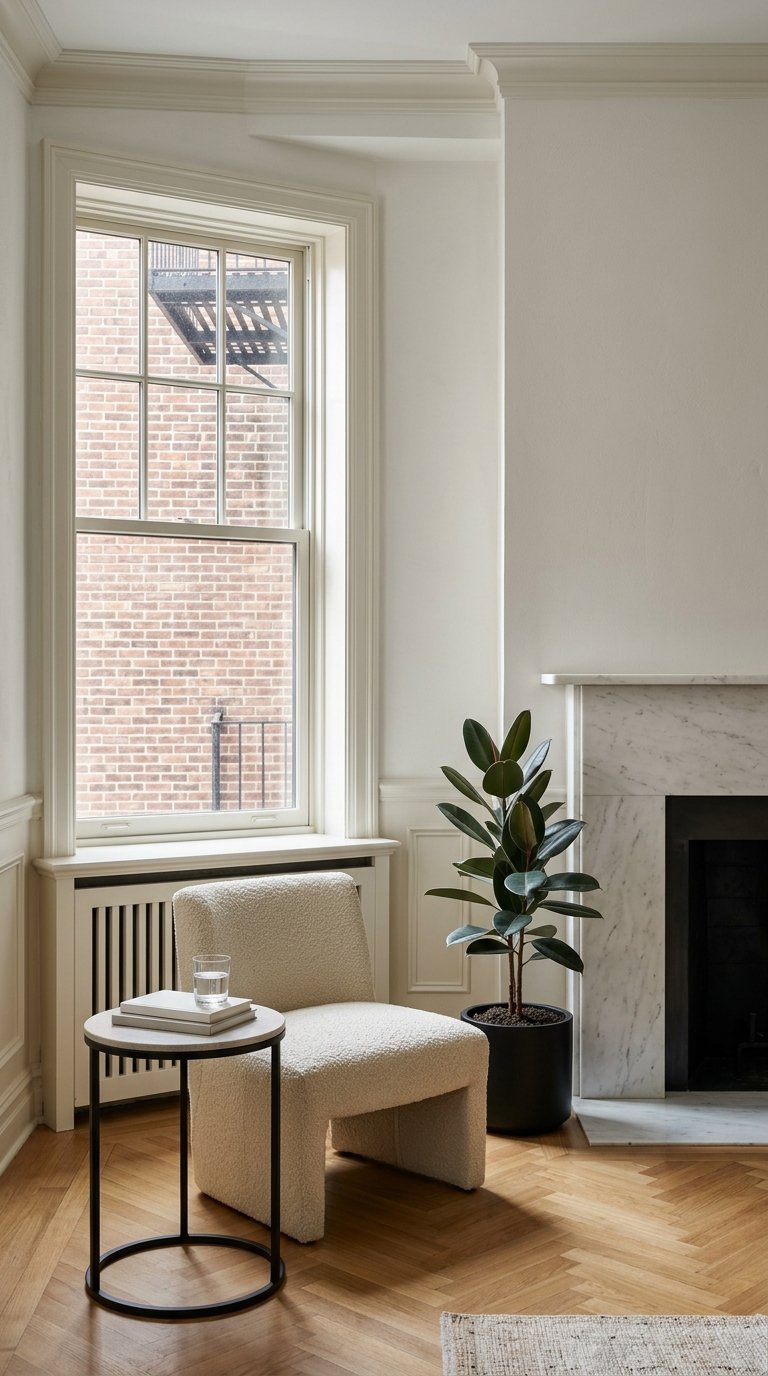
If you are torn between a sleek new condo and a classic Upper East Side apartment, you are not alone. This is one of the most common questions serious Manhattan buyers ask, because on the Upper East Side, style, ownership structure, costs, and day-to-day living can look very different from one building to the next. The good news is that once you understand the tradeoffs, the right choice usually becomes much clearer. Let’s dive in.
The Upper East Side Offers Both
The Upper East Side is not one-note. According to StreetEasy’s Upper East Side neighborhood guide, stately co-ops and newer condos sit side by side, with the Park and Fifth Avenue corridor generally more formal and expensive, while Yorkville east of Lexington tends to feel more accessible and youthful.
That mix is a big reason the neighborhood stays so popular. StreetEasy currently shows a median sale price of about $1.2 million, and the Upper East Side ranked as the #3 most-searched sales neighborhood in the city in its 2025 year-in-review. If you are buying here, you are choosing between two very established paths, not a right option and a wrong one.
What New Condos Offer
Newer condos on the Upper East Side tend to appeal to buyers who want a more turnkey experience. In practical terms, that often means modern systems, newer finishes, and amenities that make daily life more convenient.
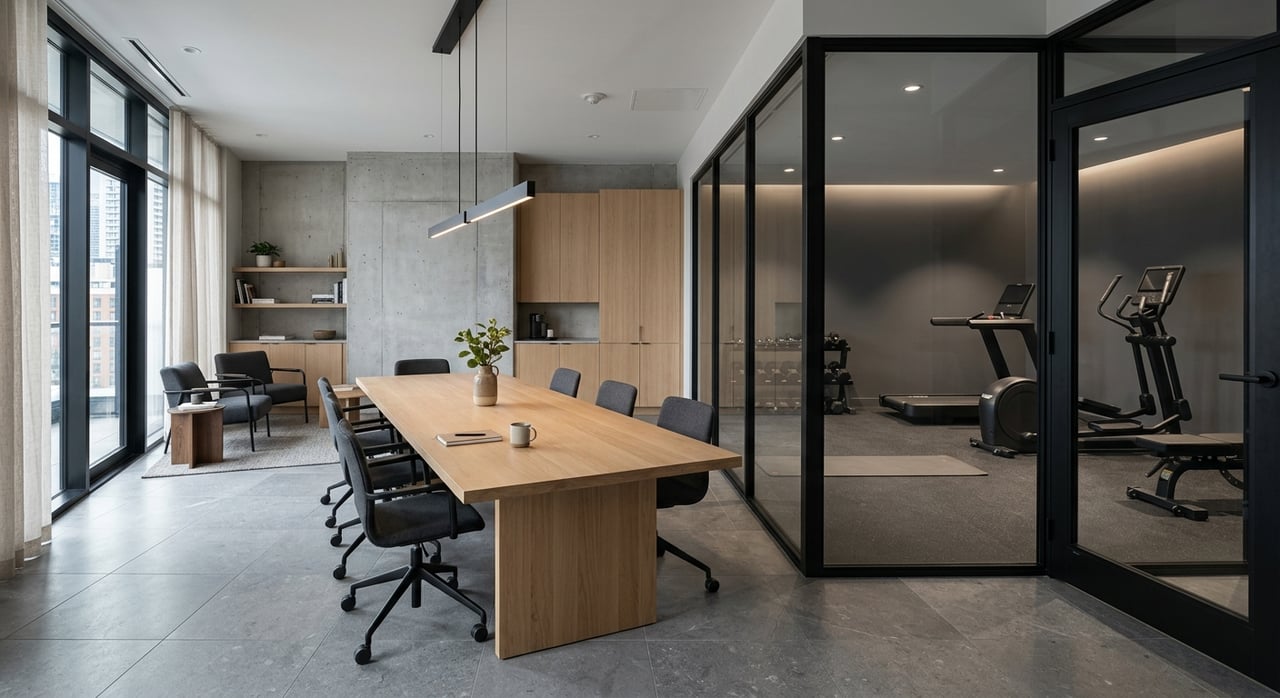
At 126 East 86th Street, a 2024-built condo, the amenity package includes an attended lobby, fitness center, spa with infrared and traditional saunas, library, children’s playroom, music room, and lounge with an outdoor terrace and indoor/outdoor fireplaces. At Étage, 176 East 82nd Street, a 2018-built condo, buyers find features like 9-foot ceilings, central air, smart-home prewiring, concierge, doorman service, gym, roof deck, and private rooftop terrace.
If your priority is ease, new condos can check a lot of boxes. You may spend less time thinking about updates and more time enjoying the apartment, especially if private outdoor space, central air, and modern common areas matter to you.
Why Buyers Lean Toward New
Many buyers choose new condos because they want:
- Turnkey condition
- More modern mechanical systems
- Larger amenity packages
- Private outdoor space in some buildings
- A more straightforward ownership structure
That last point matters. In a condo, you purchase real property, pay your own real estate taxes, and also pay common charges for shared building operations, as explained by the New York City Bar’s overview of co-ops and condos.
What Classic Buildings Offer
Classic Upper East Side buildings tend to attract buyers who value architecture, proportion, and a certain type of lived-in elegance. These homes often offer prewar details that are hard to duplicate in new construction, including higher ceilings, moldings, gracious layouts, and a quieter low-rise atmosphere.
Examples in the neighborhood show how varied that classic inventory can be. 970 Park Avenue, a 1912 landmarked Georgian Revival co-op, combines prewar character with a full-time doorman, fitness room, live-in super, and storage. 125 East 74th Street, a 1928 prewar co-op, includes high beamed ceilings, crown and base moldings, French doors, a garden, fitness room, central laundry, bike room, and resident management with doorman service.
Another example, 140 East 81st Street, reflects the appeal of a lower-rise prewar co-op with a doorman, live-in super, gym, courtyard, and a quieter feel. These buildings may not offer a spa or expansive residents’ lounge, but they often deliver something different: character, scale, and a sense of permanence.
Why Buyers Still Prefer Classic
Classic buildings often make more sense if you care most about:
- Prewar architecture and original details
- Full-service living without a club-style amenity package
- Lower-rise or more traditional streetscapes
- A quieter, more established building feel
- Layouts with distinct rooms and formal proportions
On the Upper East Side, that combination still carries real value.
The Biggest Difference Is Often the Process
For many buyers, the design conversation is only half the story. The bigger difference between new condos and many classic Upper East Side apartments is often how the purchase works.
In a co-op, you are buying shares in a corporation and receiving a proprietary lease for the apartment, according to the New York City Bar. Monthly maintenance can cover building operating expenses, property taxes, and sometimes the building’s underlying mortgage. Co-ops are also governed by a board of directors, and those rules can shape the review and approval process.
In a condo, by contrast, you are buying individual real property. That structure is often easier for buyers to understand, and it usually means the focus is more on the unit, the building finances, and the governing documents rather than a proprietary lease and co-op board framework.
Why Due Diligence Matters
The New York Attorney General recommends reading the entire offering plan and consulting an attorney before signing a purchase agreement. That guidance is especially important in new construction, where the offering plan defines what the sponsor is actually required to deliver.
In plain English, you should not assume that a rendering, brochure, or verbal promise is guaranteed unless it appears in the plan. If you are considering a newer condo because of a specific finish, feature, or amenity, that detail needs to be confirmed in the actual documents.
For older buildings and conversions, the Attorney General also emphasizes reviewing financial reports, board minutes, and building violations. That is where buyers may uncover details about upcoming repairs, building conditions, or assessments that could affect both cost and future resale.
Cost Is Not Just the Purchase Price
It is easy to focus on the asking price, but your long-term cost picture matters just as much. Monthly charges, future repairs, and the building’s financial health can all shape whether a home feels comfortable after closing.
At the Manhattan-wide level, newer product still commands a premium. In Elliman’s Q4 2025 Manhattan report, the median sales price for new development was $2,285,000, compared with $998,500 for resales. The same report showed a median of $1,725,000 for condos versus $825,000 for co-ops.
These are borough-wide numbers, not Upper East Side-only figures, but they help explain a pattern buyers see every day. Newer condos usually come with a higher entry point, while classic co-ops and resales can offer a different value proposition depending on the building and your priorities.
Older Buildings and Future Repairs
One major advantage of buying in a classic building is that you may get architecture and service without paying for a large modern amenity package. But older buildings can also carry more repair uncertainty.
The Attorney General’s guidance specifically flags potential building-wide expenses such as facade work, roof and elevator repairs, plumbing upgrades, electrical upgrades, and boiler replacements. That is why buyers should look closely at board minutes and financial statements before moving forward.
A beautiful prewar apartment can be an excellent purchase, but you want to understand not only what the apartment looks like today, but also what the building may need tomorrow.
New Buildings Have Their Own Risks
Newer does not mean risk-free. In new development, one of the biggest issues is making sure the features you care about are documented properly.
The Attorney General is clear on this point: if an amenity, finish, or feature is not promised in the offering plan or purchase documents, the sponsor generally is not required to provide it. So while newer condos may reduce some near-term repair concerns, they require careful review on the front end.
Sunlight Can Change the Decision
One Upper East Side detail that buyers sometimes overlook is light. StreetEasy notes that sunlight can be a real tradeoff in the neighborhood because newer high-rise buildings can cast long shadows, making exposure, street width, and view corridors especially important when comparing homes on different blocks or in different building types.
That means your decision is not just about old versus new. A classic apartment on a wider, brighter block may feel more open than a newer unit with a less favorable exposure, while a newer condo on the right floor line may offer light and views that are hard to match.
A Simple Way to Decide
If you are weighing new condos against classics on the Upper East Side, this framework can help:
Choose a New Condo If You Want
- Turnkey condition
- Modern systems and finishes
- Broader amenities
- More private outdoor space options
- A simpler ownership structure
Choose a Classic Building If You Want
- Prewar detail and architectural character
- A more traditional Upper East Side feel
- Full-service living with a different amenity mix
- Lower-rise charm or more formal layouts
- Potentially different pricing dynamics than newer product
Choose Based on the Building, Not the Label
The smartest buyers do not stop at “condo” or “co-op.” They compare the specific building, the monthly charges, the documents, the repair outlook, the light, and the block.
That is especially true on the Upper East Side, where a classic-looking building may be a co-op, condo, or conversion, and where newer buildings can differ sharply in quality, scale, and amenity value. The details matter here.
If you want clear, candid guidance on which Upper East Side option fits your priorities, Steven Kramer can help you compare buildings, understand the paperwork, and move forward with confidence.
FAQs
What is the main difference between a condo and co-op on the Upper East Side?
- A condo is individual real property, while a co-op involves buying shares in a corporation and receiving a proprietary lease, according to the New York City Bar.
Are new condos on the Upper East Side more expensive than classic apartments?
- In Manhattan-wide data from Elliman Q4 2025, new development and condos both showed higher median prices than resales and co-ops, which helps explain why newer product often carries a premium.
Do classic Upper East Side buildings still offer full service?
- Yes. Examples in the neighborhood show classic co-ops can include features like doormen, live-in supers, fitness rooms, storage, courtyards, and resident services.
What should you review before buying a new condo in Manhattan?
- The New York Attorney General recommends reviewing the full offering plan and working with an attorney before signing, especially to confirm what the sponsor is required to deliver.
Why do board minutes matter in older Upper East Side buildings?
- Board minutes can reveal planned capital projects, repair issues, or possible assessments, including facade, roof, elevator, plumbing, electrical, or boiler work.
Does sunlight vary a lot between Upper East Side buildings?
- Yes. StreetEasy notes that newer high-rises can cast long shadows, so exposure, view corridors, and street width can all affect how bright a home feels.